Machu Picchu

May 24th, 2015

Sunday May 24, 2015

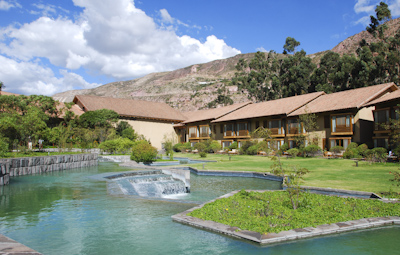
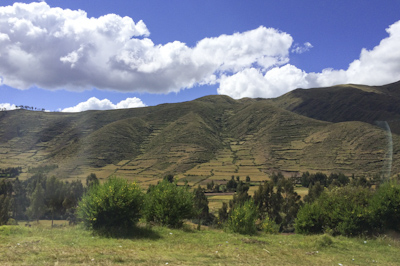
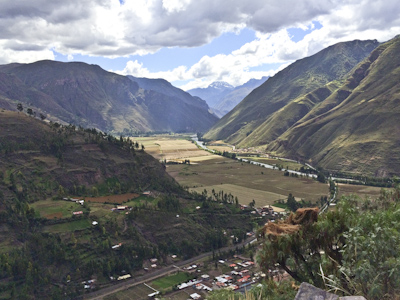
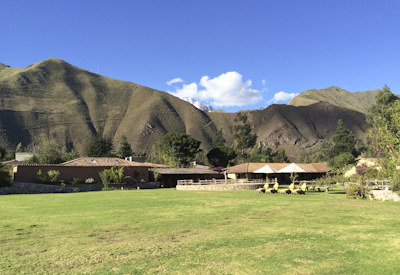
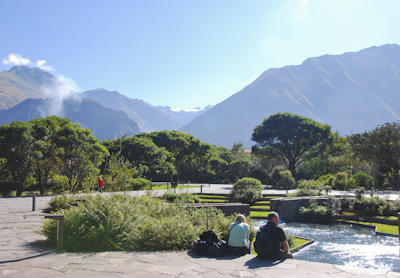
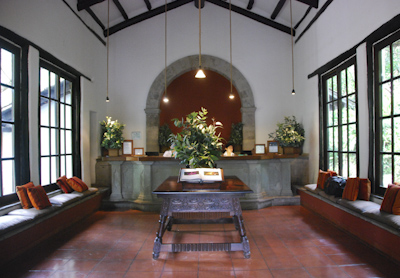
We awoke to another glorious bright sunny day in Urubamba. Below is a view looking out from the lobby of the Tambo del Inka Resort. At 9,400 feet the air is thin and dry. The cool air felt fresh and exhilarating but I had to walk slowly to avoid breathing heavily and having my heart pound.  I wondered if I would be able to get used to the altitude.
DSC_9458

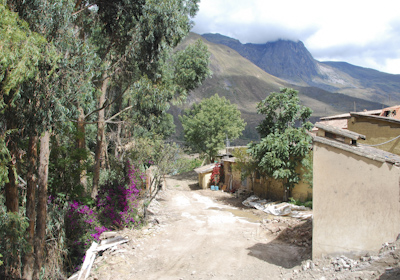
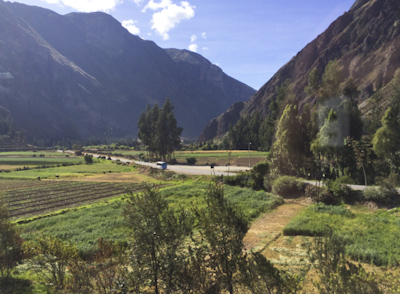
I understand why the Incas called the high plains between the mountains ‘The Sacred Valley’. It is a fertile protected area which provided farmland and water for the people. The Incas valued food more than gold and silver and thrived for many years until the conquistadors arrived to take the gold.  The valley is incredibly beautiful.
IMG_3235

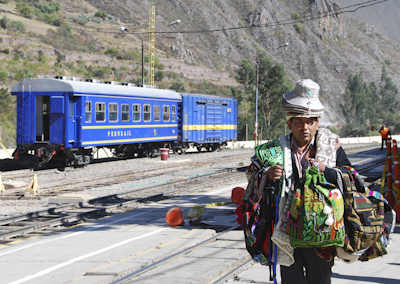
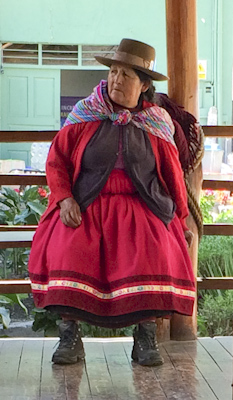
The festival in Urubamba continued today and streets were closed so our buses were late to pick us up. We rode to Ollantaytambo to catch a train to Aquas Calientes which is the nearest town to Machu Picchu.  Then we would continue by bus up to the Lost City of the Incas.  We expect to arrive in four hours which is much faster than the famous Inca Trail which takes four days and three nights to cover about forty miles over the mountains.
DSC_9464

IMG_3442

DSC_9470

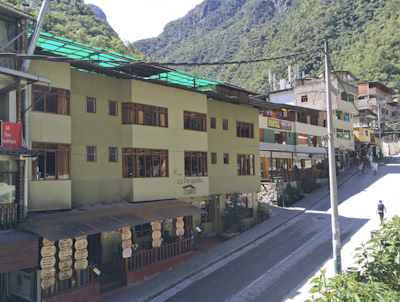
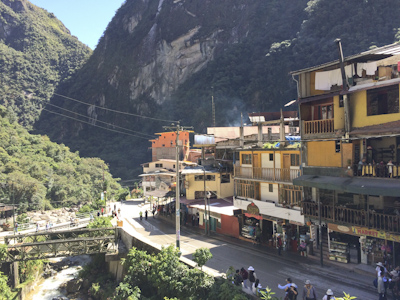
After riding a bus and a train for three and a half hours, we arrived in Aquas Calientes:
IMG_3453

IMG_3454

One more bus up to The Lost Empire of the Incas – Machu Picchu. IMG_3461
IMG_3463

DSC_9515

DSC_9517

DSC_9521

DSC_9577

IMG_3482

DSC_9546

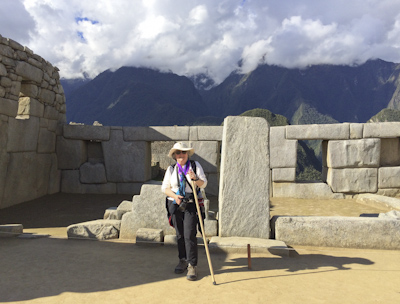
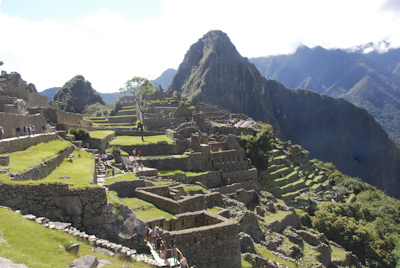
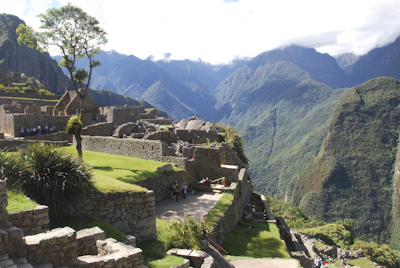
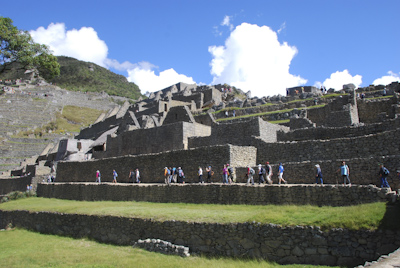
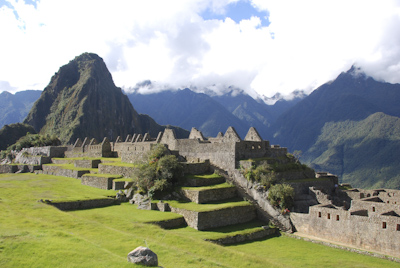
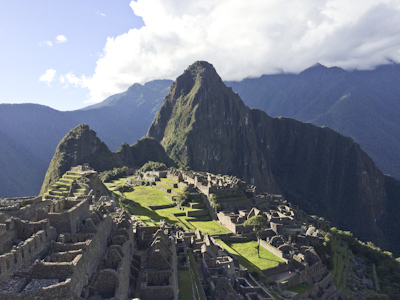
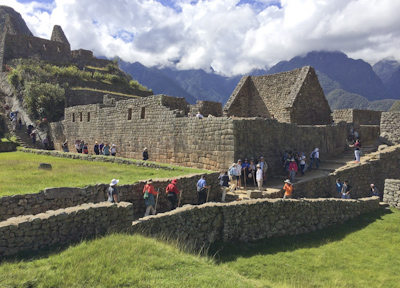
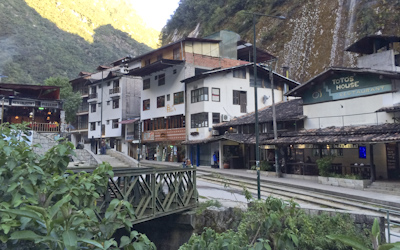
We explored, climbed, and stepped up and down all over Machu Picchu. It was the fulfillment of a dream and I felt astonished and overwhelmed. The Inca people had created an incredible majestic place. Emperor Pacchacuti had a wonderful vision.  He built the city between the peaks of several mountains at an altitude of only 7800 feet and chiseled out a protected, self-sufficient territory.  Machu Picchu was incredible.  After several hours, we returned to Aquas Calientes and arrived at the Inkaterra Machu Picchu Hotel for the evening. It had been an amazing day….
IMG_3498

DSC_9663

IMG_3528

Ollantaytambo

May 23rd, 2015

Saturday May 23, 2015  

I kept waking during the night with fierce headaches until I finally took a couple of Advils. We had an excellent buffet breakfast in the dining room. I hoped the ‘coca tea’ will help my head acclimate to the altitude. The Tambo del Inka Resort is very peaceful and comfortable. It’s a wonderful place to stay.  Too bad it isn’t closer to home.
DSC_9390

We collected our day packs and joined the rest of the group in the lobby.  A local woman distributed walking sticks decorated with textile caps and water bottle holders labeled Machu Picchu. We boarded the buses at 8:30 and drove forty minutes to the nearby village of Ollantaytambo to explore the Parque Arqueological Nacional which is a UNESCO World Heritage Site. 

IMG_3242

DSC_9250

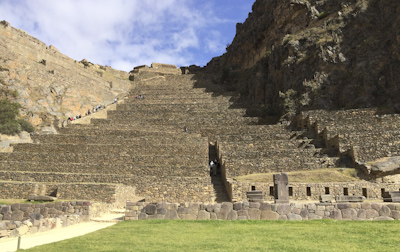
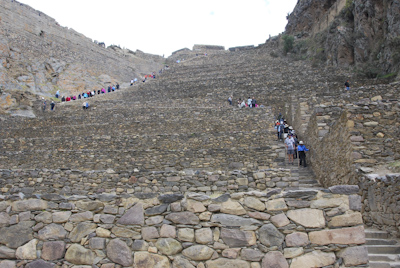
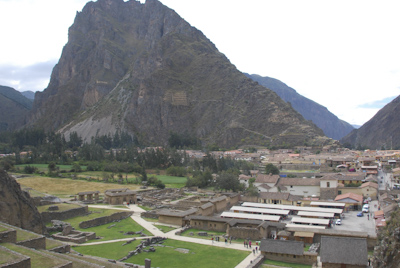
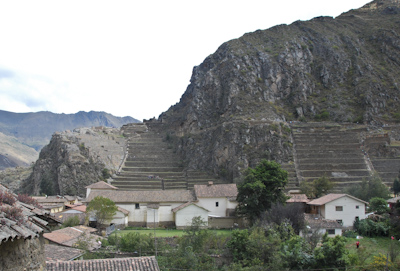
Below is a view of the village of Ollantaytambo as seen from the former Inca terraces which date from the mid-15th century. Originally built for farming and irrigation, the stone constructions were used as strongholds against the Spanish conquistadors.

IMG_3248

DSC_9246

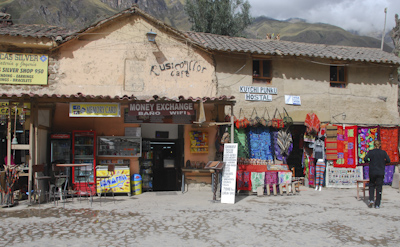
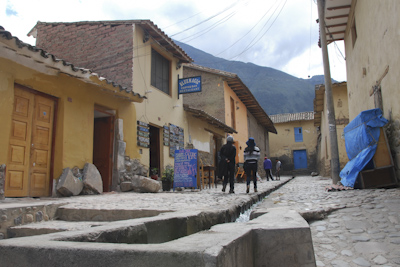
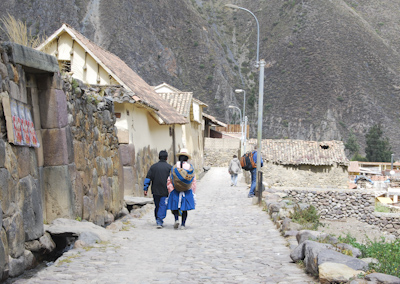
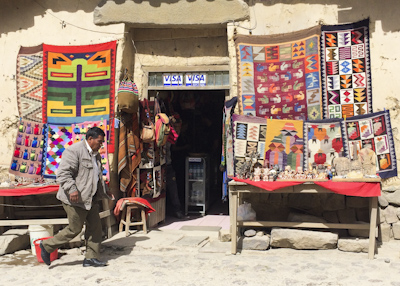
Later, we explored the village below the site. Located at 9,200 feet above sea level, Ollantaytambo was the royal estate of the Inca Emperor Pachacuti who conquered the region.  Nowadays it is a popular tourist attraction because it is one of the starting points for the Inca Trail.

DSC_9195

DSC_9276

DSC_9281

DSC_9299

DSC_9302

DSC_9266

DSC_9273

DSC_9311

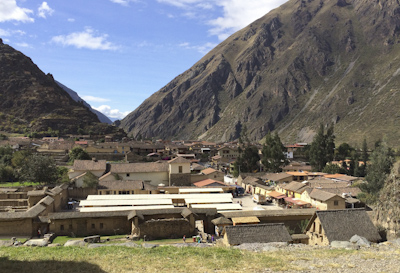
Ollantaytambo has some of the oldest continuously occupied dwellings in South America.  Below is a view across the valley to the Inca terraces:

DSC_9285

IMG_3255

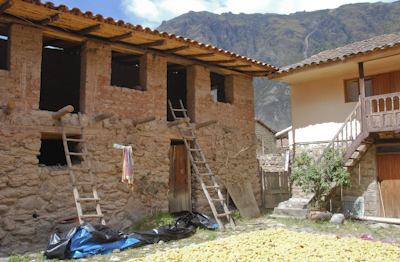
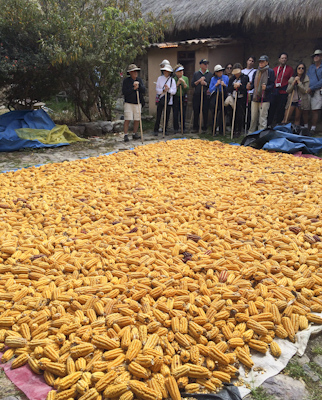
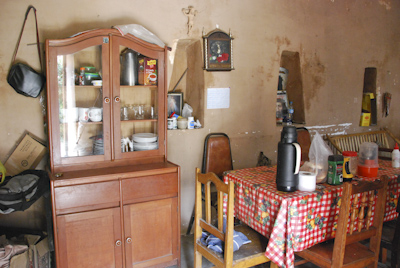
We were invited into the ancient compound of a local family. It consisted of four buildings around an inner courtyard. Ears of corn were spread out on the ground to dry in the center of the yard. One building served as living accommodations and the others were for storage and animals. A pen of guinea pigs was in the corner.

DSC_9327

IMG_3257

DSC_9331

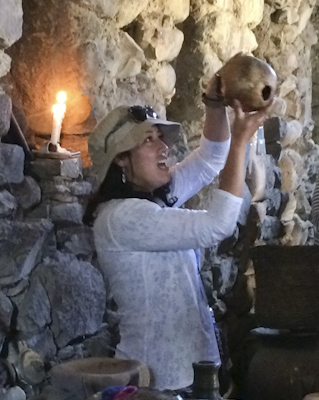
The guide held up a skull which the farmer found in his field some years ago. He gave it a name and believed it was good luck so it had an honored position in his storage room.

IMG_3263

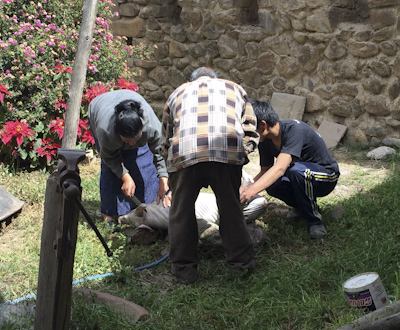
A festival was being held in Ollantaytambo during the week. The family in the photo below was washing and preparing a pig for slaughter in their courtyard. They waited until the tourists left before they did the deed.

IMG_3266

DSC_9253
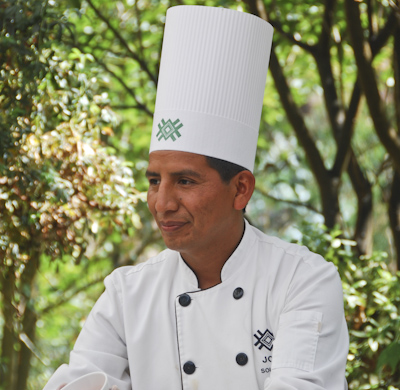
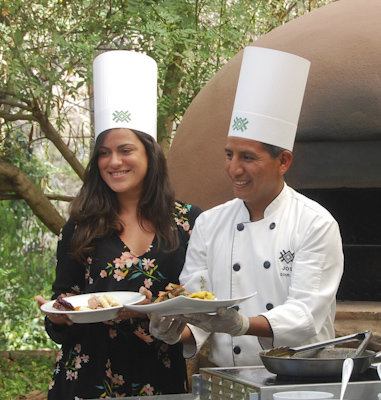
We returned to our hotel for a cooking demonstration (ceviche and lomo saltado) given by the sous chef, Jose. It was fun to watch the preparations, but I’ll pass the recipe to the cooks in my family. We had a wonderful buffet lunch which included alpaca ribs, quinoa, and potatoes.

DSC_9366

DSC_9385

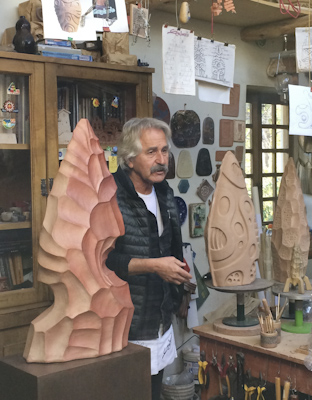
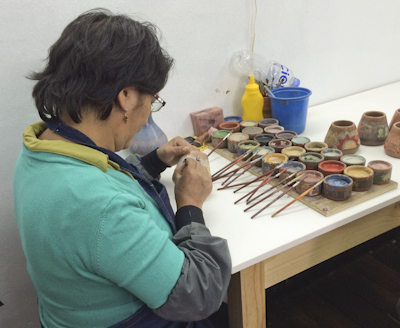
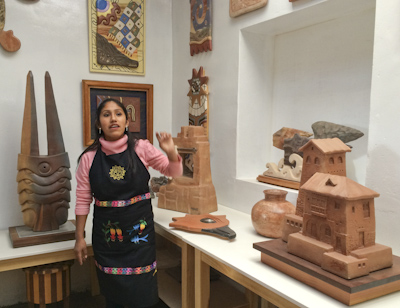
Then we took a short walk from the hotel to Pablo Seminario’s pottery studio in the village of Urubamba. His work is on display at the Chicago Field Museum.

IMG_3350

IMG_3344

IMG_3347

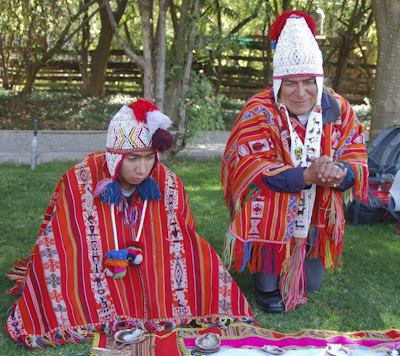
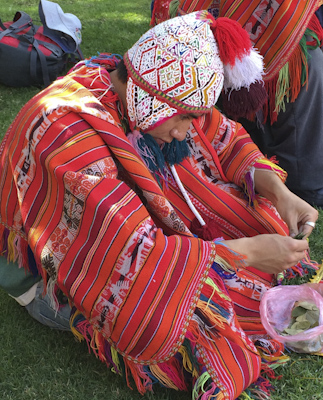
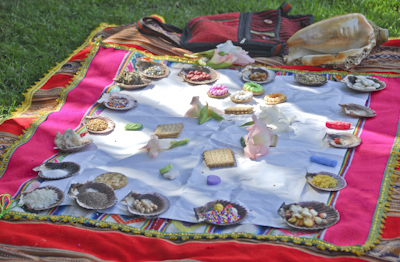
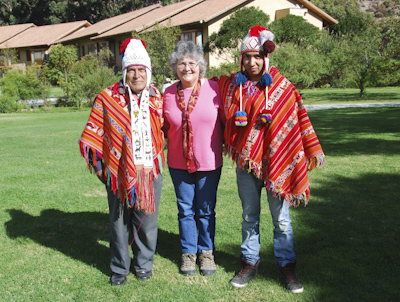
Later in the afternoon, a local shaman came to the hotel to bless our journey and share spiritual insights of the Sacred Valley and the descendants of the Inca Empire. We sat on chairs set up on the lawn and watched as he prepared his offerings and listened to him chant and pray. At night he would go to a sacred place in the mountains to give the offerings to the gods.

DSC_9408

IMG_3317

DSC_9392

DSC_9414
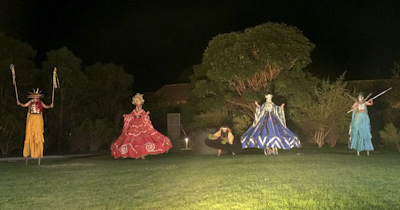
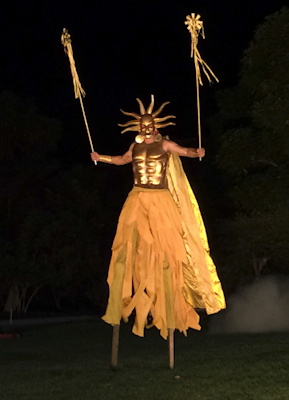
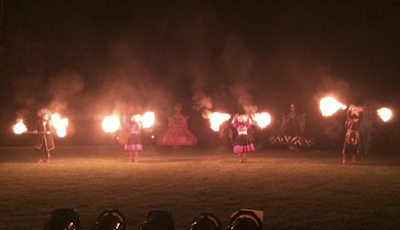
After dark, we were entertained by the folk-art group, Kusiwasi, who performed the Inca legend: The Apus of the Andes.  They danced on stilts and sang songs based on Incan and Quechua stories.  The performance had a fiery finale:

IMG_3400


IMG_3378

IMG_3409

Afterwards, we enjoyed a delicious buffet dinner of fire-grilled meats and assorted vegetables and potatoes. At the end of the day, we returned to our rooms to pack our duffle bags for our trip to Machu Picchu tomorrow.

Lima to the Sacred Valley

May 22nd, 2015

Friday – May 22, 2015

I awoke before the alarm at 4:30, excited and nervous about the upcoming day. Luggage outside the door at 5:45; breakfast at 6:00 in The Observatory Restaurant on the eleventh floor with a panoramic view of Lima and the Pacific Ocean. We boarded the bus and everyone was ready to go at seven to get to Jorge Chavez airport for a 9:30 flight to Cusco.

IMG_3031

IMG_3042
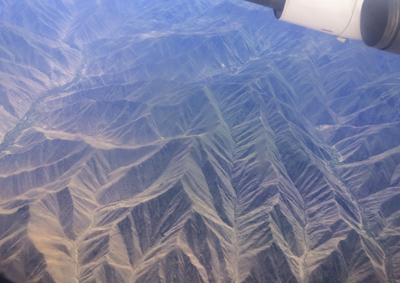
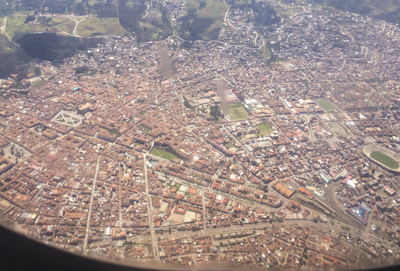
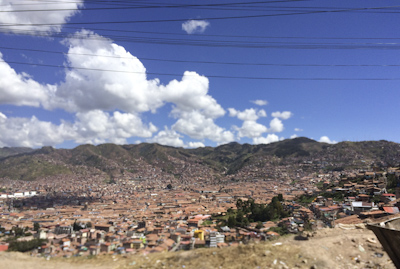
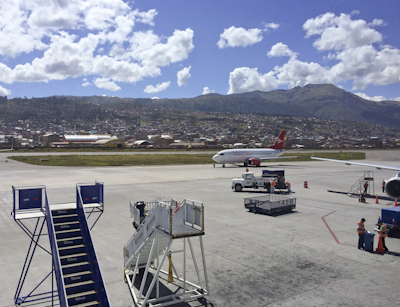
From the plane, I saw the desert of the coast gradually change to the Andes Mountains of eastern Peru. The red brick houses in Cusco extended up the sides of the mountains. It was a crystal clear morning and the airport was a beehive of activity with new arrivals of eager tourists bustling about and Peruvian guides offering their services.

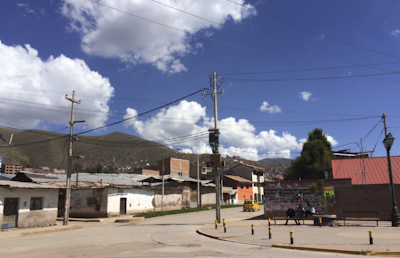
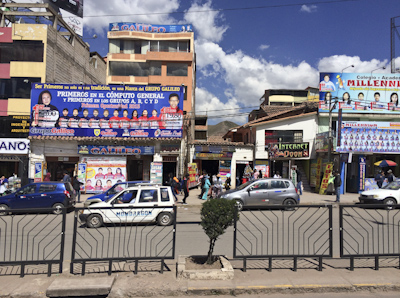
IMG_3049Two buses met our group and we immediately drove out of Cusco. The city is located at 11,000 feet above sea level, so all the guides recommend going to the Sacred Valley (8,000 to 9000 feet) first, to become acclimated to the altitude. I took photos of Cusco as the bus passed residential neighborhoods.

IMG_3054

IMG_3063
Our local guide, Maria, talked about the history of the region and the Inka Empire. As the bus climbed the mountains surrounding Cusco, I felt lightheaded and out of breath in my seat. The destination was the Tambo del Inka Resort & Spa, about two hours away, in the village of Urubamba in the Sacred Valley.

IMG_3071
We passed many small villages with mud brick houses and subsistence farms as the high Andes Mountains loomed above. The Sacred Valley is truly beautiful.

IMG_3086

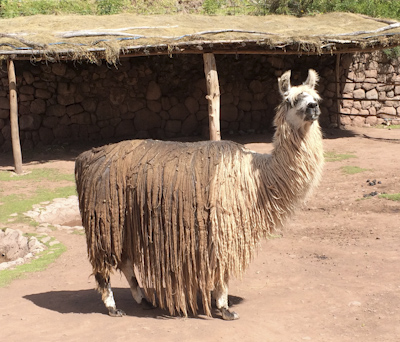
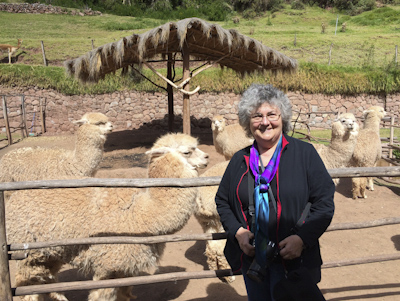
We stopped at the Awanacancha farm which raises llamas, alpacas, and vicunas which are native to the region. The Inca people used them as pack animals, for food, and the fur for clothing.

IMG_3111

IMG_3117

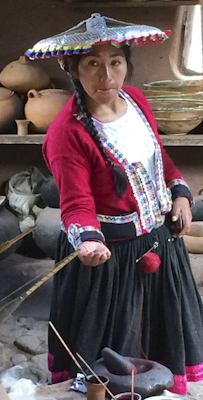
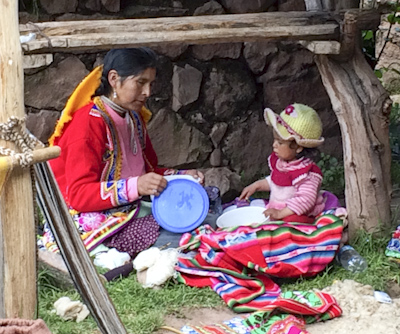
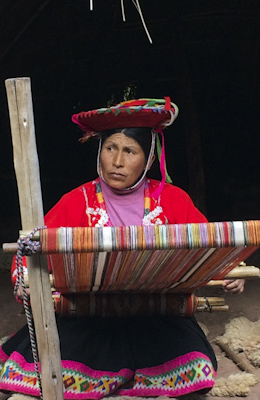
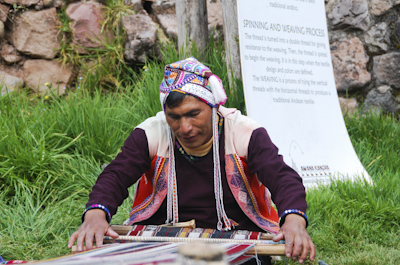
A woman in a traditional costume demonstrated how to prepare and dye the fur of the animals.

IMG_3131

IMG_3129

IMG_3135

DSC_9133

IMG_3154

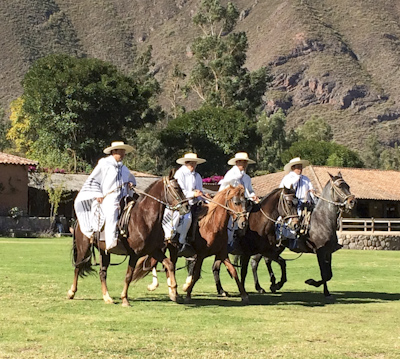
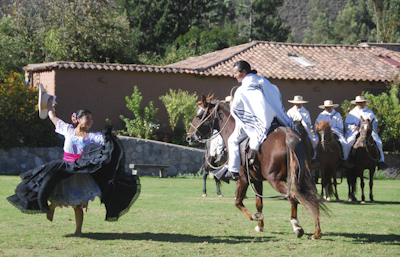
The motor coach continued along the road into the valley. After a while, we stopped at Wayra Ranch for lunch and a demonstration of Peru’s Paso horses who are famous for their lateral gait known as paso llano.

IMG_3188

IMG_3180

DSC_9169

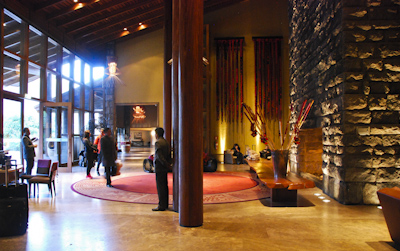
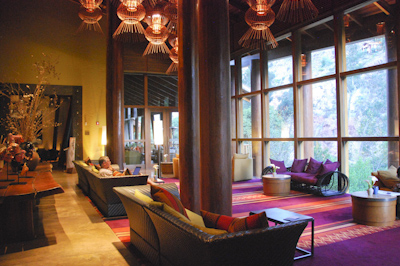
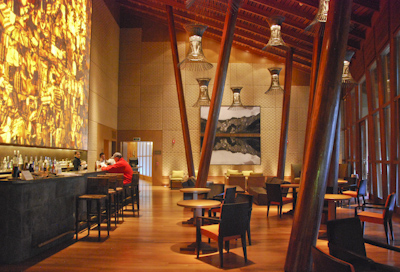
Then we continued on to the fabulous Tambo del Inka Resort located in the village of Urubamba. Below are a few photos of the public spaces of the hotel:

DSC_9181

DSC_9183

DSC_9186


Touring Lima Peru

May 21st, 2015

Thursday May 21, 2015

Just when I began to think the sun never shines in Lima, it peeked out today.  The locals say they live under “the donkey’s belly.” Which is what the local people call their usually overcast grey sky.

IMG_2862

This was the first day of our Tauck Tour and we were directed to gather in the gorgeous modern dining room on the first floor of the Belmond Miraflores Park Hotel to meet our guide Marcos Soto and the other participants. After an excellent breakfast, Marcos spoke about the tour saying it would be “an adventure, not a vacation.” He advised us about altitude sickness and described the highlights of our activities during the next two weeks. It sounded strenuous, tiring, and very exciting.

IMG_2866

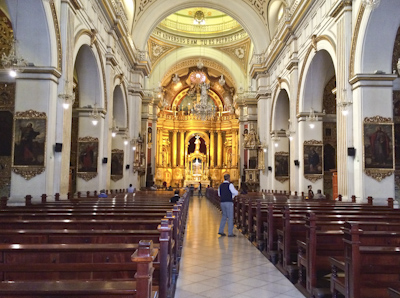
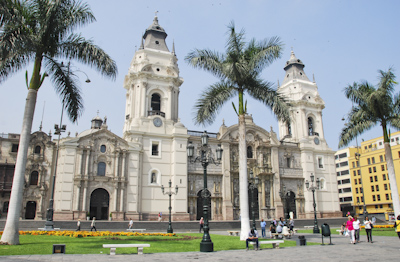
Our group of twenty five adventurers boarded a large comfortable bus and left the hotel at nine am to have a guided tour of the capital city. The coach crawled through heavy traffic and we finally arrived in downtown Lima an hour later.  The bus parked on a narrow street and we walked a couple of blocks to Inglesa San Pedro. I would describe the interior as high Spanish Baroque, if there is such a style.  The main altar and side chapels were covered in gold and silver.

IMG_2884

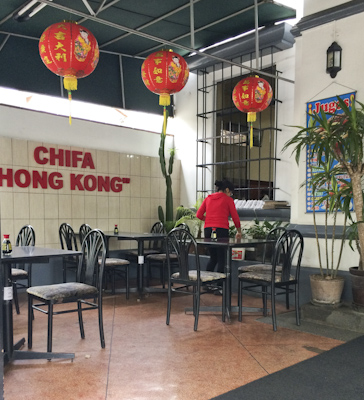
Frequent small earthquakes & tremors shake this region almost daily. 2007 was last big one.  The guide said there were forty-nine districts in Lima with 10.5 million people. Iron bars were on most windows & doors. “Chifa” is the Peruvian name for Chinese food which reflects the large number of Asian people living in Peru. Flat roofs rested on most buildings because annual rainfall is so minimal.

IMG_2877

IMG_2725


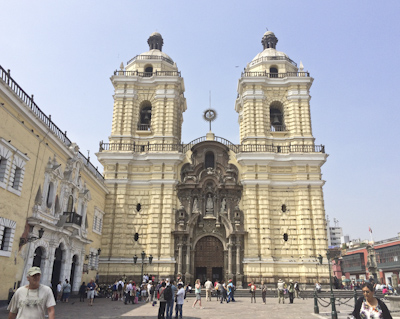
After exploring the church, we walked to the Cathedral of San Francisco. We had a guided tour of the large compound then went down to the catacombs where sixty thousand known dead are buried and some bones are on display.

IMG_2903

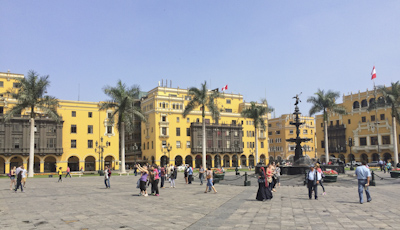
It was a short walk to the Plaza des Armas surrounded by Colonial Spanish style architecture. A large brass band heralded the changing of the guard of the main government building.

DSC_9049

IMG_2912

IMG_2922

DSC_9040

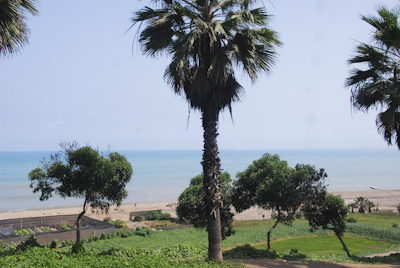
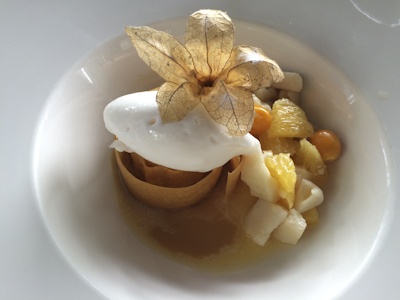
We left at noon to drive to Costa Verde’s Cala Restaurant for a fabulous lunch at right on the shore of the ocean. I had ceviche & fried calamari, tuna with mango chutney & grilled veggies, lemon gelato with citrus fruits. Yuummm…

DSC_9058

IMG_2932

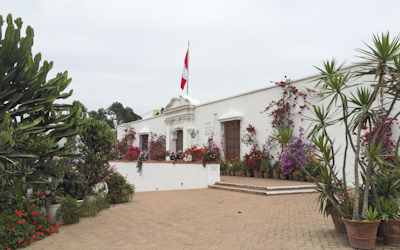
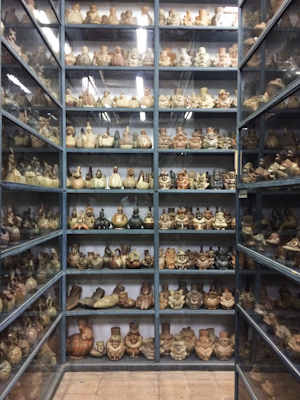
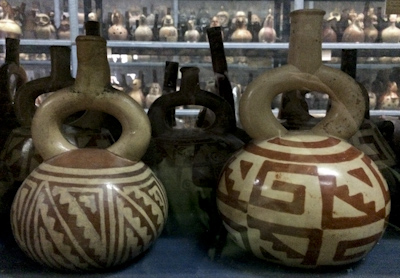
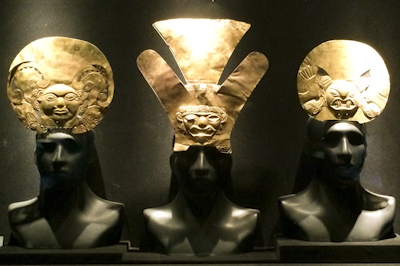
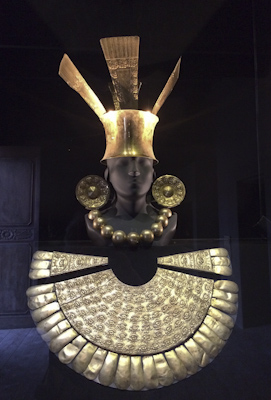
Another drive through traffic-clogged Lima to our destination, the Museo Rafael Larco Herrera, to see ancient Peruvian art. This was a private collection of 40,000 artifacts from 500 BC to 800 AD. We also saw an exhibit of Incan gold & silver and another display of ancient erotic artifacts. 

IMG_2993

IMG_2957

IMG_2954

IMG_2963

IMG_2967

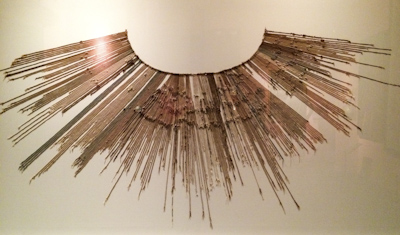
The ancient Incans did not have a written language, however they did have a system of recording important information using knots on ropes perhaps similar to an abacus. This system was called Los Quipus and an example is pictured below.

IMG_2983

IMG_2992

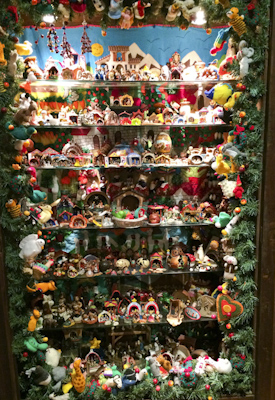
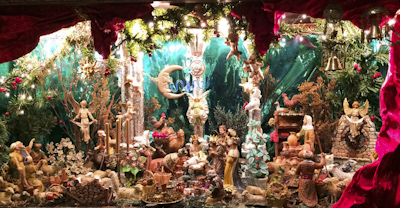
Back to hotel at 5:30pm in heavy traffic. Time for a quick shower then down to the bus at 6:30 to go to Señor & Señora Luna’s house. Forty-five minutes later we arrived at the opulent house to see their incredible collection of 2000 Nativities. Sr. Luna was the Peruvian Minister of Culture with a passion to save Peruvian folk art. He began to collect Nativities when he was fourteen years old and now owns twenty thousand pieces primarily from Peru and other South American countries, as well as from Europe, Africa, and Asia. 

IMG_2996

IMG_2997

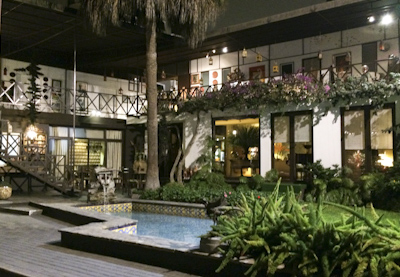
After Señora Luna gave us a guided tour of the exhibit, we gathered in their beautiful garden for pisco sours and a sumptuous traditional Peruvian dinner. This visit was a fabulous way to end a very interesting day.

IMG_3011

IMG_3016

Miraflores

May 20th, 2015

Wednesday, May 20, 2015

Lima, Peru is an unusual place. ‘The City of Kings’ is a desert located on the Pacific Ocean but the air is heavy with humidity and overcast most of the time with slight variations in temperature. We were told, “It never rains in Lima. Just a drizzle.” I thought of Coleridge: “Water, water everywhere but not a drop to drink.”

Today was our day to explore the Miraflores District so we walked to Avenue Larco, the main commercial street, and followed it as far as Parque Central.

IMG_2731

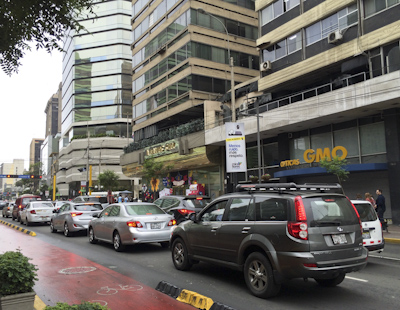
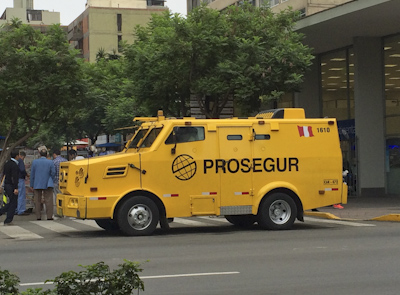
Heavy traffic clogged the avenue and very few street lights made crossings a challenge. There were numerous banks and each one had an armed guard posted outside the door wearing a bulletproof vest. Familiar fast food restaurants were all represented.

IMG_2769

IMG_2810

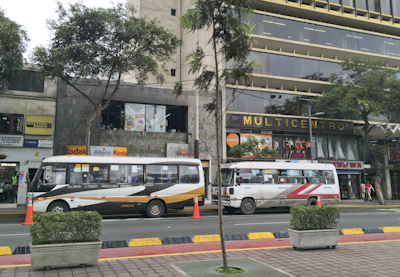
An interesting fact about Lima is that most of the buses were privately owned. The city recently instituted a public transportation system so there are designated bus stops and city buses now. We saw a wide variety of buses in many different sizes, colors, and exterior decorations.

IMG_2737

IMG_2749

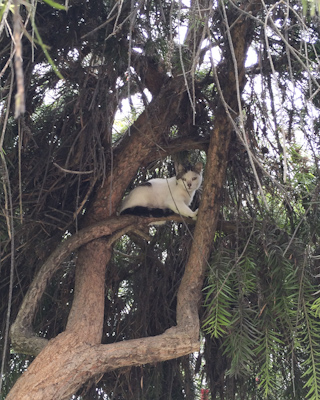
The Park Central aka Kennedy Park was lovely with exotic trees and flowers but was overrun with cats.  The cat in the photo above seemed to be hunting for birds.

IMG_2777

IMG_2782

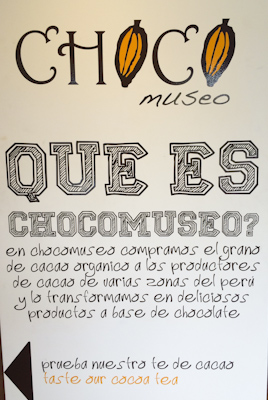
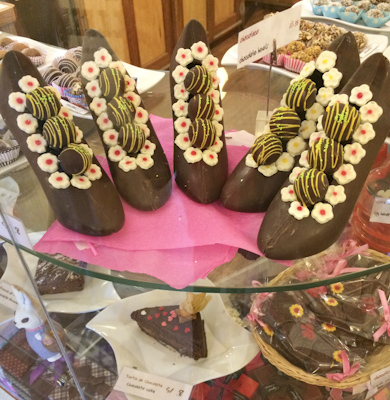
We found El Museo del Cacao y Chocolate on Calle Berlin but unfortunately the workshop wasn’t in operation. We tasted cacao tea and bought a variety of small chocolates to taste.

IMG_2804

IMG_2805

IMG_2815

IMG_2816

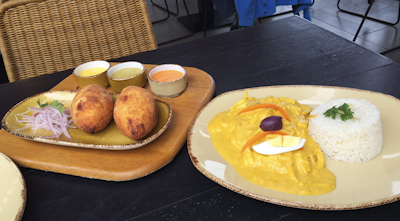
We had a delicious lunch in a Peruvian restaurant called Tanta and sampled a couple of traditional foods.  Papas Rellenas and Aji de Gallina pictured below:

IMG_2832

It was fall here south of the equator so the days are getting shorter. The sun set at 5:50 pm today. We explored the neighborhood around the hotel and then prepared for our big day tomorrow when we meet the people on our tour and begin to see more of Peru.

IMG_2826

DSC_8984

IMG_2842

IMG_2851