Scotland: Driving on the Left Through the Highlands

July 3rd, 2007

July 3, 2007

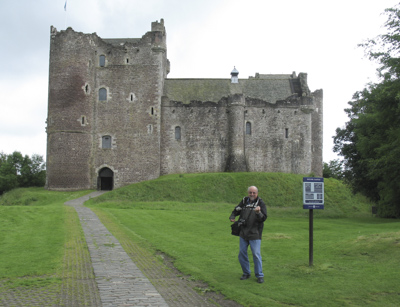
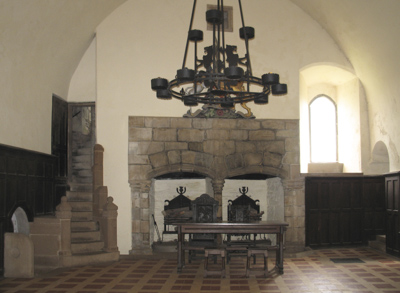
We rented a car in Edinburgh and bravely drove out of the city to explore the beautiful countryside of Scotland. We gave ourselves two weeks to drive around Scotland to visit towns, see castles, and have fun. Below are photos of Doune Castle which was originally built in the 13th century.

The 1952 movie Ivanhoe, with Elizabeth Taylor and Robert Taylor, was filmed here as well as the British comedy Monty Python and the Holy Grail in 1974.

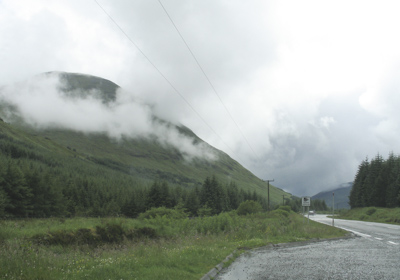
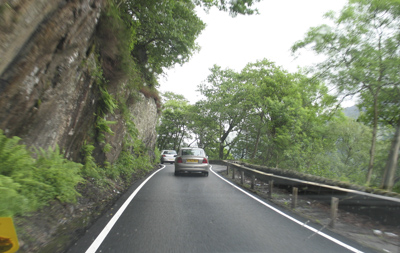
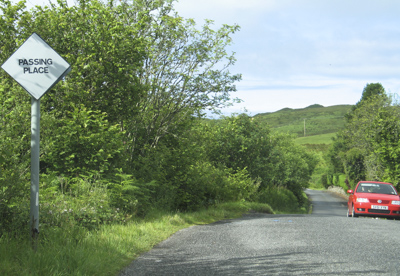
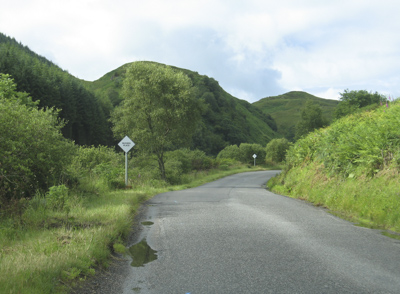
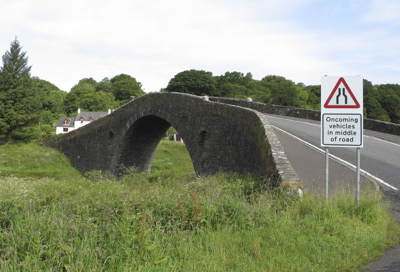
We soon discovered that Scottish roads are very narrow, with pull-offs to allow on-coming traffic to pass.

This is a two-lane road:

Scottish Tourist Information Offices were in every town and we found them to be a very reliable way to book Inns and B&Bs every night. We didn’t make any prior arrangements because we couldn’t judge how long it would take us to travel between towns.

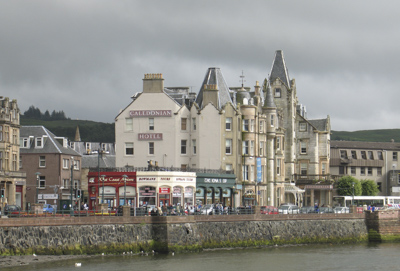
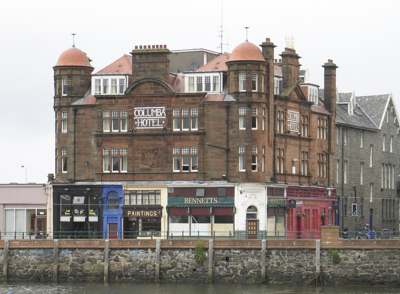
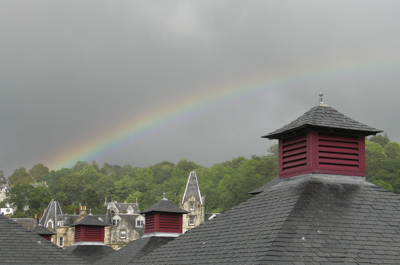
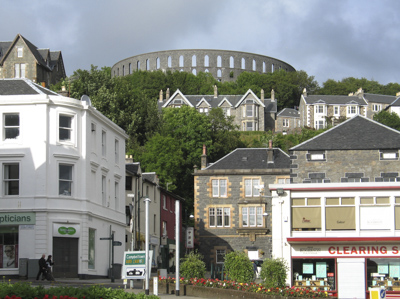
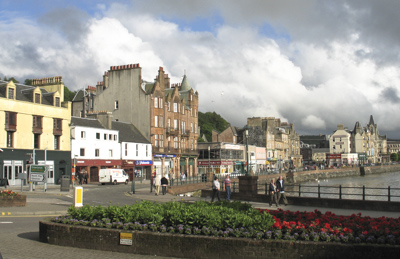
I took these photos in the town of Oban which had many Victorian-style buildings. It wasn’t a pretty place and seemed to be a ferry port to get out to the Hebrides Islands.

The only tourist site in Oban, besides the whisky distillery, was McCaig’s Folly. The stone structure was designed on the Colosseum in Rome and built in 1897.

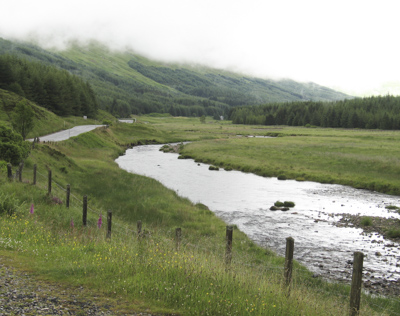
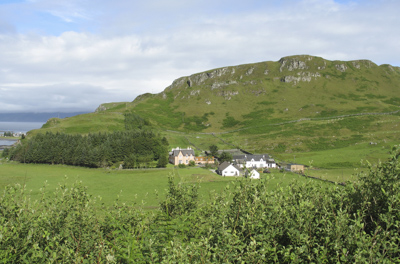
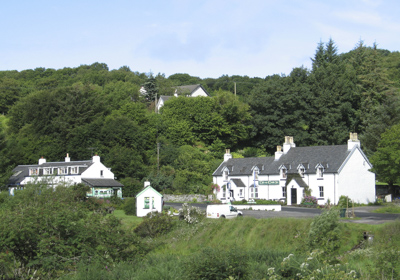
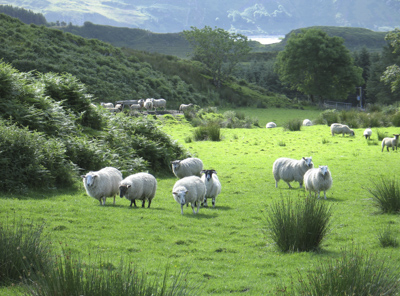
The Scottish Highlands are magnificent, with steep rolling green hills, and vast expanses of land sweeping down to the sea.

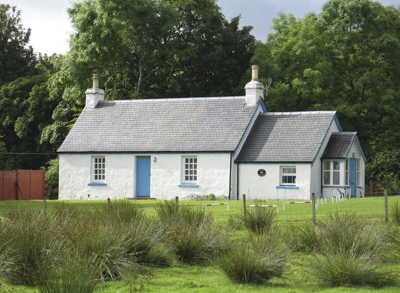
Lovely white stone cottages and sheep dot the landscape:

Oncoming cars move rapidly and we had to duck into “Passing Places” along the narrow roads.

We were driving on the left!!


Edinburgh, Scotland

July 1st, 2007

July 1, 2007

We missed our connection in London due to a thunderstorm and 6-hour delay at JFK.  So after being awake for 36 hours, when we finally arrived in Edinburgh Scotland, we were very tired. We had a good night’s sleep in the comfortable McDonald Hotel and were ready to explore the capital city.

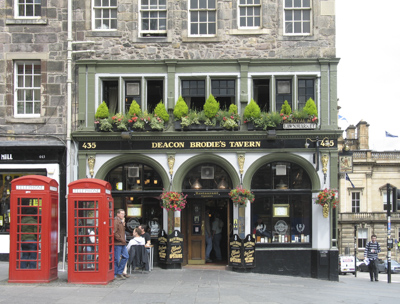
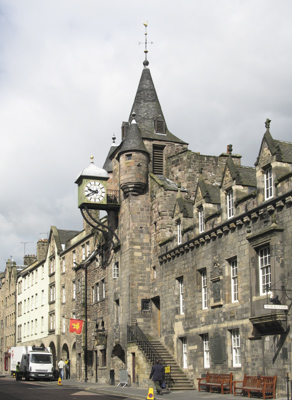
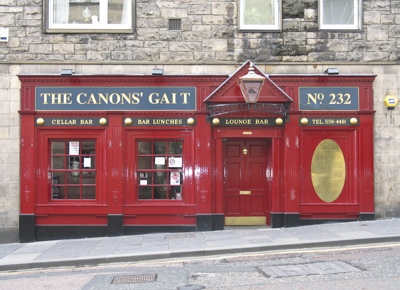
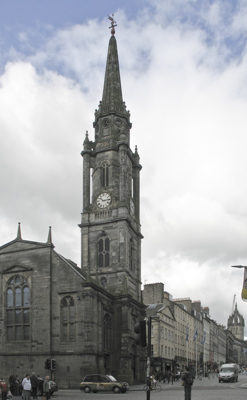
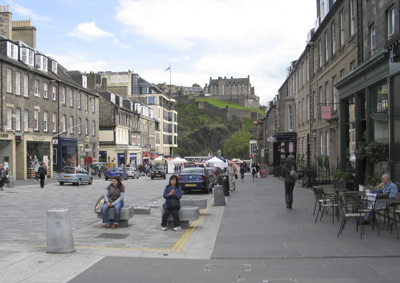
One highlight of our walking tour of Edinburgh was a leisurely walk down the Royal Mile to look at the medieval architecture and modern shops and pubs.

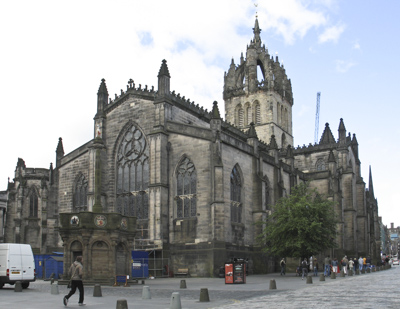
St. Giles Cathedral is known for its crown-shaped steeple. The building dates from the 14th century and is the main place of worship for the Church of Scotland.

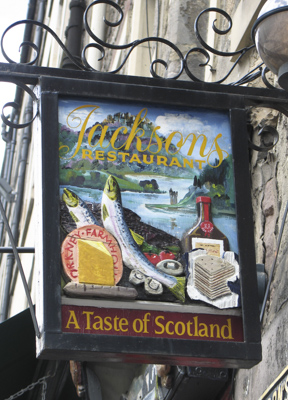
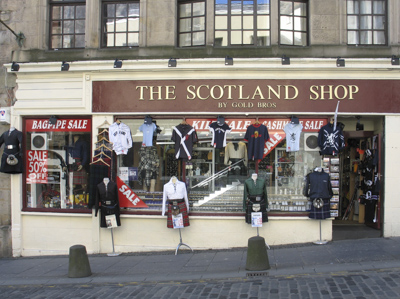
There were many shops to buy kilts, woolens, bagpipes, whisky, and other Scottish products.

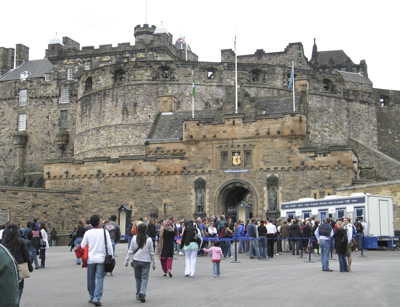
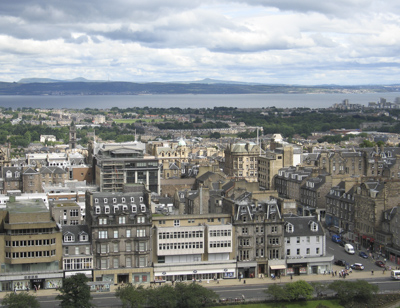
Edinburgh Castle dominates the the city skyline. The historic fortress was built on Castle Rock in 1103 and was home to Scottish and English monarchs.

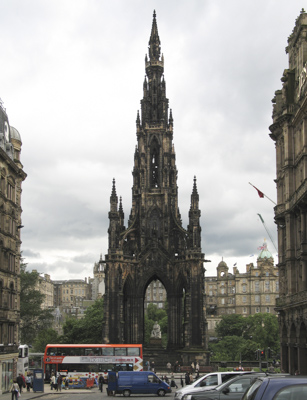
Edinburgh is a UNESCO City of Literature and the most famous writer was Sir Walter Scott. A significant monument honors Scott’s life and works and is located on the edge of Princes Street Gardens

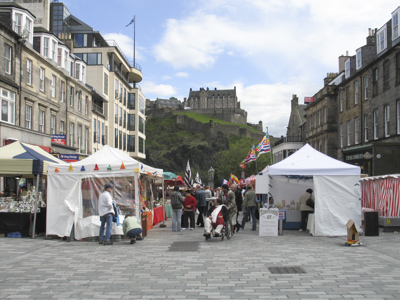
One day we found an outdoor market which was fun to explore.

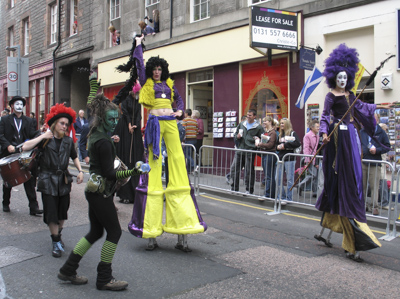
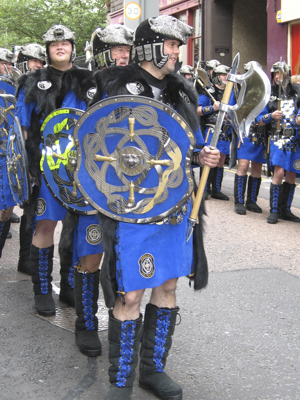
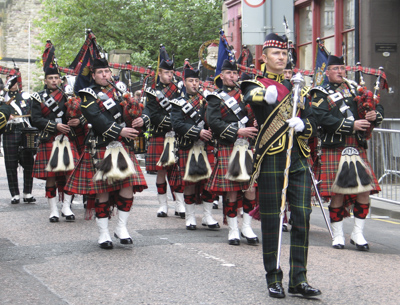
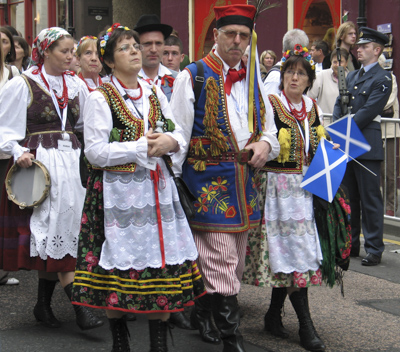
On another day, there was a lively parade:


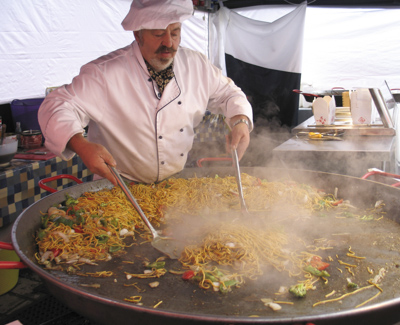
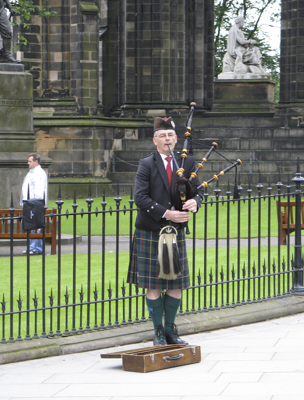
Edinburgh was a lovely city. We had fun exploring the old and new sections and enjoyed our introduction to real Scottish food.  A Scottish piper near the park:

We walked all over Edinburgh for three days then we picked up a car to drive around Scotland to see the countryside.


Budapest, Hungary

July 22nd, 2005

July 16 to 22, 2005

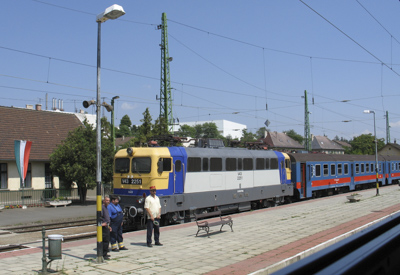
Early in the morning on July 16th, we caught a train to take us from Prague, Czech Republic to Budapest, Hungary. It was a pleasant six-plus hour ride through the beautiful countryside. We arrived at the Nyugati Palyaudvar Railroad Station which was built by the Gustave Eiffel Company in 1877 – just 12 years before the Eiffel Tower opened.
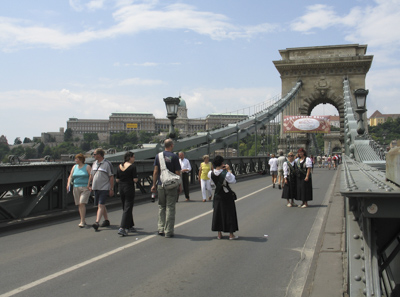
We stayed at the lovely Corinthia Budapest Hotel and explored the capital city as much as we could in five days.  We walked everywhere, took trams, and rode the Metro subway. The famous Chain Bridge, Szechenyi Lanchid, was closed to traffic on holiday Sunday and open to pedestrians, so we walked across:
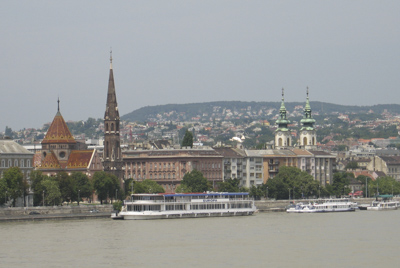
Budapest is actually made up of three unified cities: Buda and Óbuda on the west bank of the Danube River and Pest on the east bank. Here’s a view from the bridge looking west:
The Chain Bridge, built in 1849, was the first permanent bridge across the Danube. It was a symbol of advancement, national awakening, and linking East and West.
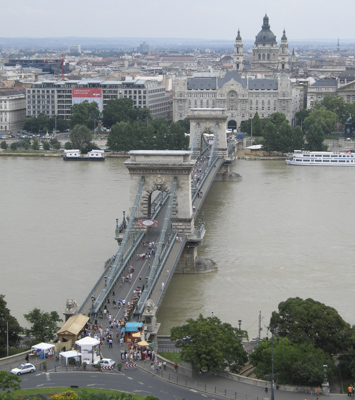
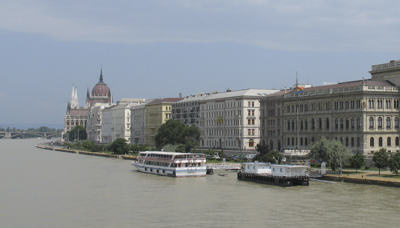
View from the bridge looking east toward Pest:
We rode the Buda Castle Hill Funicular up to the top. Built in 1869, it is the 2nd oldest funicular in the world, after the one in Lyon France:
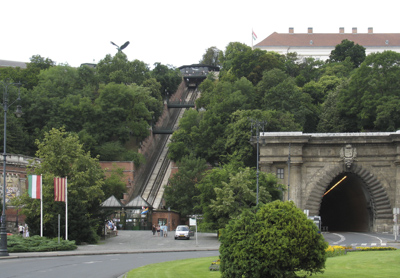
We walked to the Matthias Church to take photos and see the beautiful tile roof.  The Gothic style church was constructed in the latter part of the 13th century and restored in the 19th century. This was the location of the coronation of two Hungarian kings:

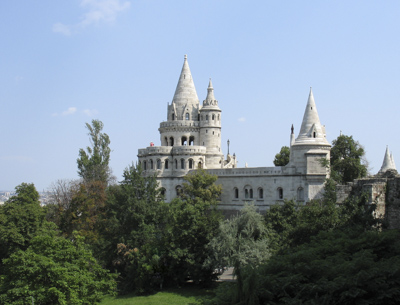
The Fisherman’s Bastion looks like a medieval monument but was actually built in the early 1900s as a panoramic viewing platform across the Danube River. It is named after the Guild of Fishermen who were responsible for defending that part of the city walls during the Middle Ages. The seven towers represent the seven Magyar tribes that settled the region.
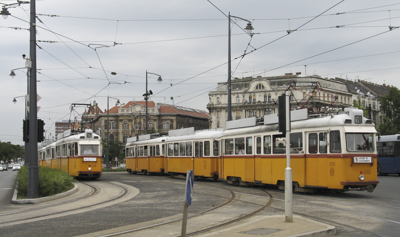
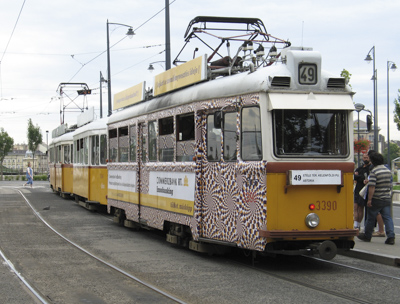
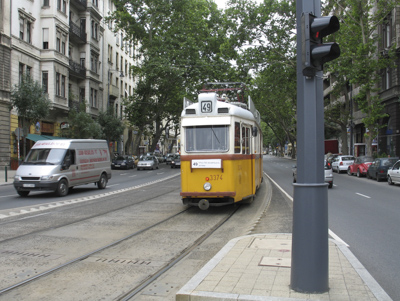
Riding the trams was a fun, quick, and efficient way to travel around Budapest:
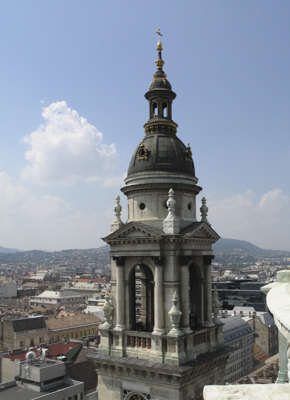
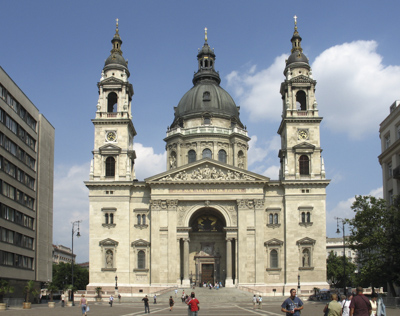
St. Stephen’s Basilica is located on the Pest side of the city. We went up to the base of the dome for spectacular views of Budapest.
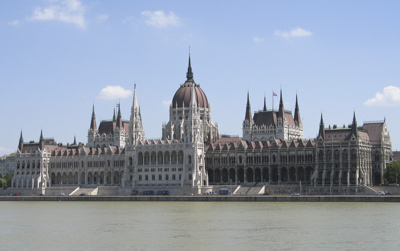
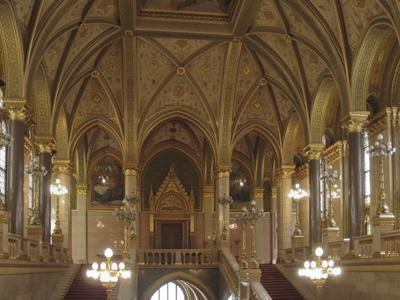
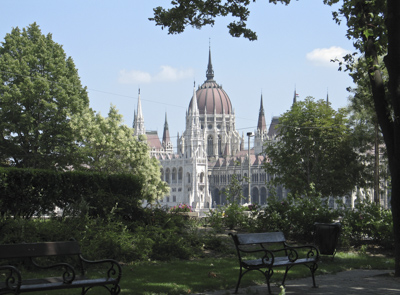
The Hungarian Parliament Building is a gorgeous building inside and out. We enjoyed a guided tour of the magnificent gilded interior chambers.
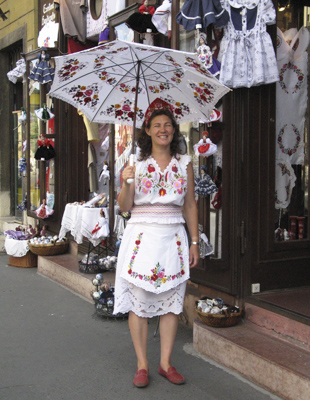
The woman below was modeling lovely handmade embroidered fabrics and accessories.
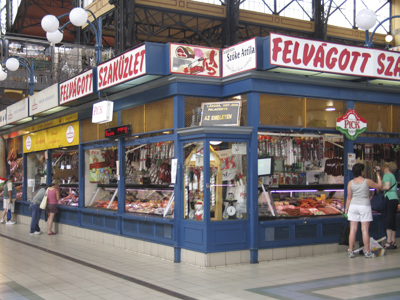
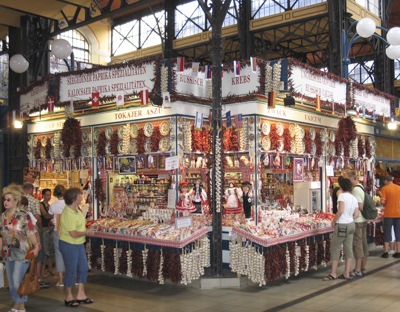
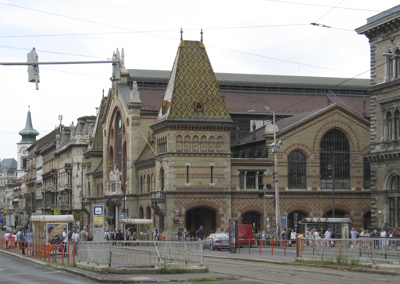
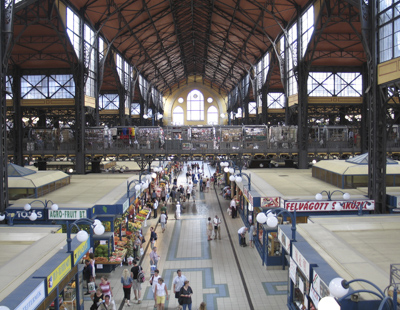
The great Central Market Hall was a fun place to visit! We went back several times and bought real Hungarian paprika.
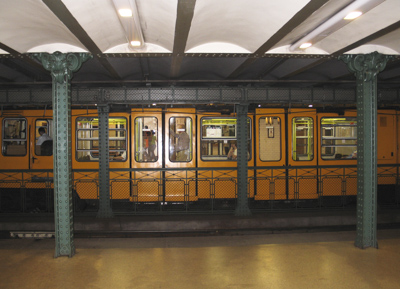
The Budapest Metro is the oldest electrified underground railway system in Europe. Line M1 was completed in 1896. Today historic trains run along 4.4 kilometers in the central part of the city, making stops at eleven renovated stations. The rest of the Metro system is modern.
Many visitors consider Budapest to be among the most beautiful cities in Europe and much of the city has been granted UNESCO World Heritage Site status.

There were a great variety of architectural styles.  I have included several photos of noteworthy buildings which I saw as we walked around. The Anker Palace is a commercial building completed in 1908.

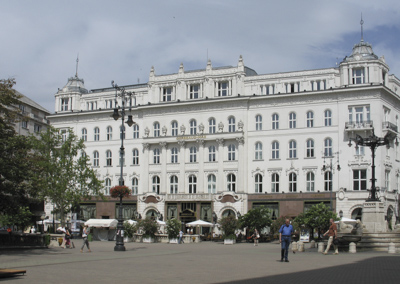
We had to have coffee and a sweet at the famous historic Gerbeaud Cafe on Vörösmarty Square. The cafe was established in 1858 and is purported to be one of Europe’s finest coffee and pastry shops. We shared Dobos and Eszterhazy cakes. Yummm….
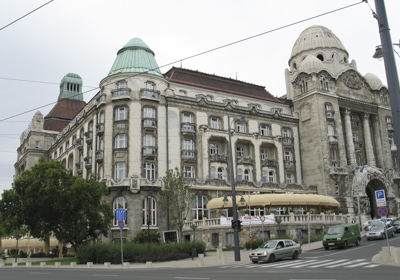
The Gellert Hotel, which was originally built between 1912 – 1918 in art nouveau style, is the home of the famous Gellert Bath and Spa:
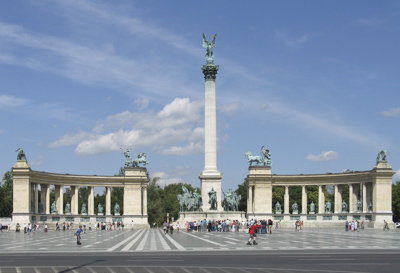
Heroes’ Square, at the end of Andrássy Avenue, depicts the Seven Chieftains of the Magyars. They are believed to have led the Hungarian people from central Asia to what is currently the nation of Hungary. On top of the central pillar is the Archangel Gabriel holding the Hungarian crown:
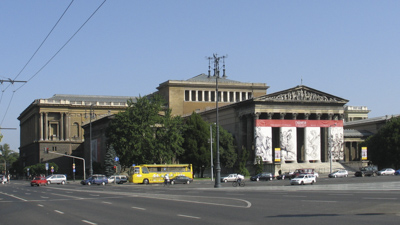
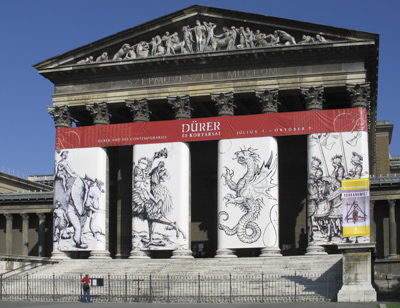
The Hungarian National Museum, founded in 1802, is the museum of the history, art, and archaeology of Hungary:
The art nouveau design Gresham Palace is a Four Seasons Hotel today:

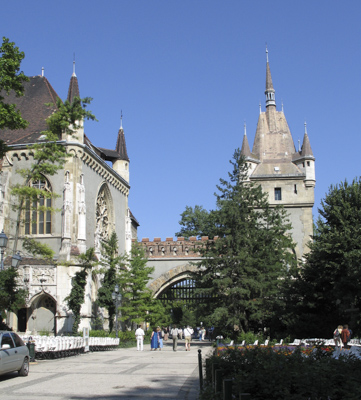
City Park includes sports facilities, swimming baths, a boating lake, the Budapest Municipal Zoo and Botanical Gardens, the Budapest Circus, and the Vajdahunyad Castle. During the winter, the lake is transformed into a huge ice rink:
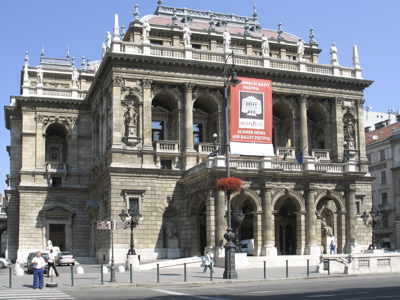
The Hungarian State Opera House was first opened in 1884 by a commission from Emperor Franz Joseph. The 1200 seat auditorium is considered to be one of the best in the world for operatic performances. Unfortunately, there were no performances during our time in Budapest. Outside is a statue of the composer, Ferenc Liszt.
We enjoyed our days in Budapest exploring the city, sampling tasty food, and learning about Hungarian culture.


Prague, Czech Republic

July 16th, 2005

July 9 to 16, 2005

We flew overnight from JFK Airport to Prague, Czech Republic. We arrived early in the morning and checked into the very modern Maximilian Hotel. We chose the hotel because it was located in the historic district of the capital city and was within walking distance to most tourist sights.

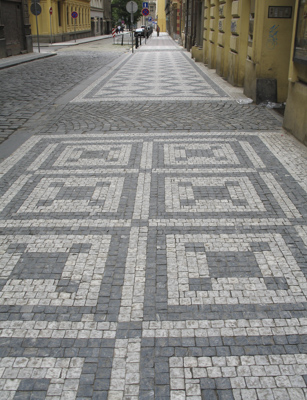
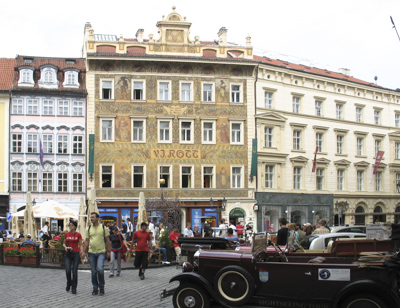
Prague, Czech Republic is a beautiful historic city with lovely decorated buildings, narrow cobblestone streets, and charming tiled sidewalks.

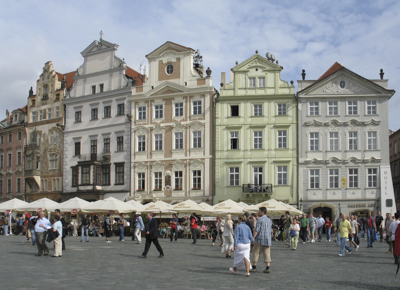
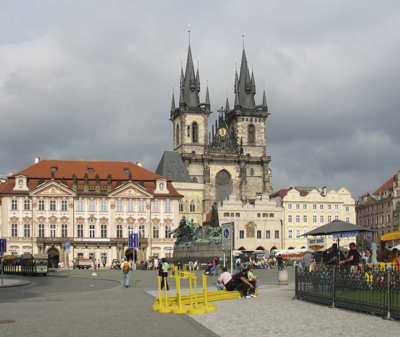
Old Town Square (Staromestske Namesti) is the oldest and most significant square in the historical center of Prague. Its history dates to the 10th century when it was a major marketplace.

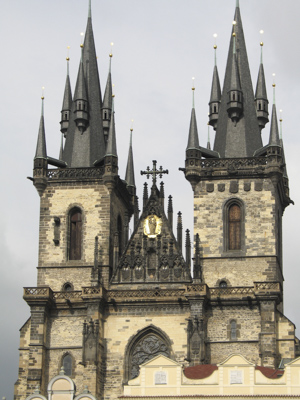
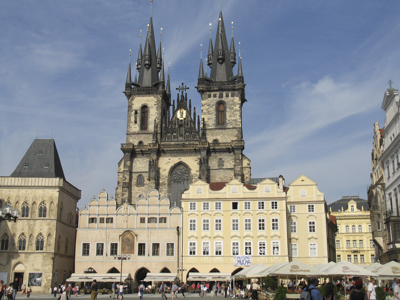
Overlooking the Old Town Square are the tall spires of the Church of Our Lady Before Tyn, which was completed in the 15th century. The red-roof building on the left in the photo below is the National Gallery, home to a large European art collection.

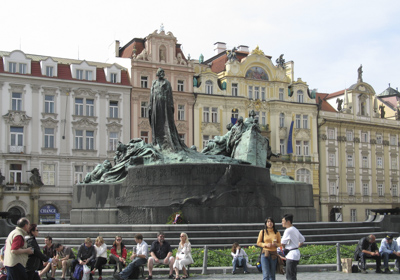
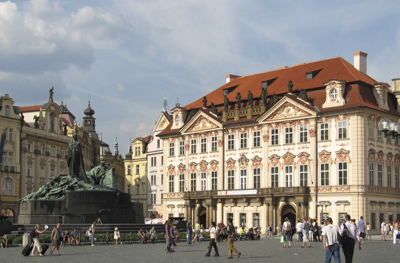
The huge Jan Hus Memorial stands in the Old Town Square. It was dedicated in 1915 to commemorate the 500th anniversary of Jan Hus’ martyrdom. Hus was a 14th century Czech theologian and church reformer who was executed for heresy against the Catholic Church in 1415.

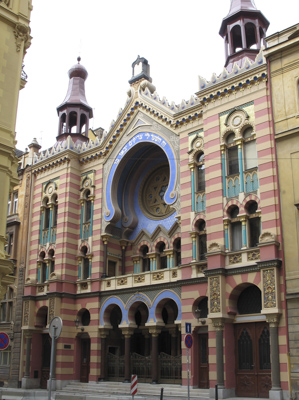
Prague’s Jewish Quarter (Josefov) survives after centuries of discrimination and cruelty to the thousands of people who were forced to live in the squalid conditions of a “Ghetto.” Fortunately, several significant historical buildings were saved from destruction and are a testimony to the history and resiliency of the Jewish people.

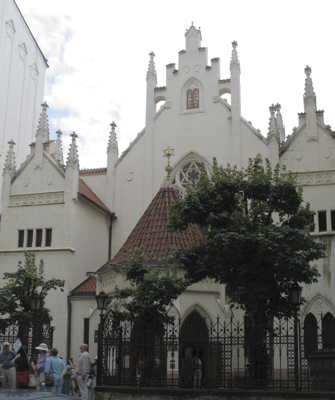
Maisel Synagogue, built in 1590, is part of the Jewish Museum in Prague. A permanent exhibit tells the story of the “Jews in Bohemia: 10th-18th centuries.”


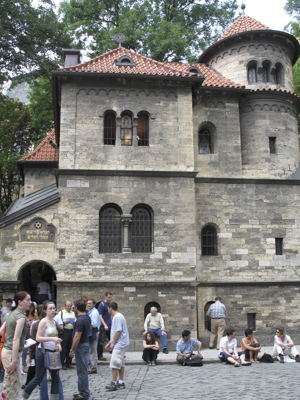
The Ceremonial Hall of the Prague Jewish Burial Society:

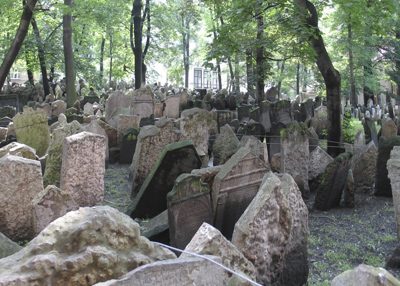
The Old Jewish Cemetery:

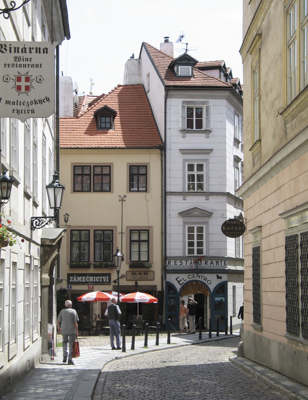
Lovely quaint street in Prague:

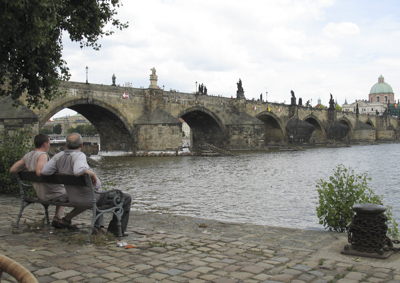
View of the magnificent Charles Bridge – Karluv Most – built in 1357 which crosses the River Vltava:

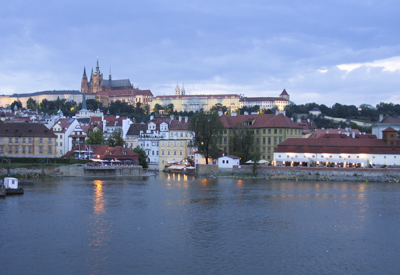
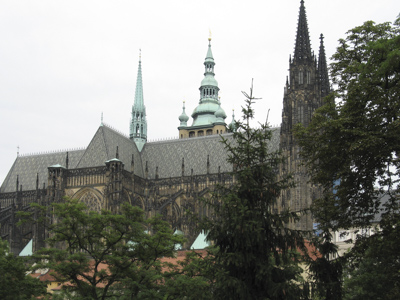
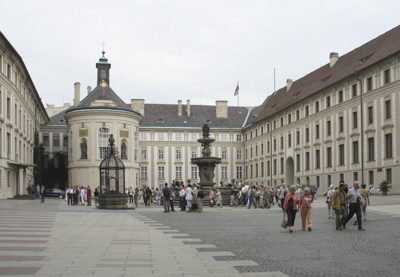
Prague Castle was once the home of Bohemia’s kings and today is the residence of the Czech Republic’s president. Originally built as a walled fortress in 870AD, it is the largest castle complex in the world.

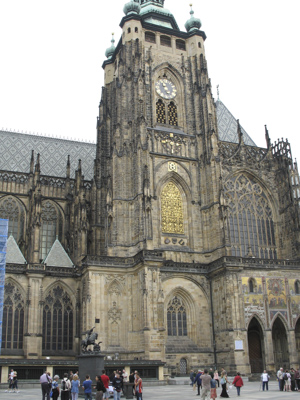
St. Vitus Cathedral (constructed in 1344) is located within the the castle walls and is an interesting place to visit:

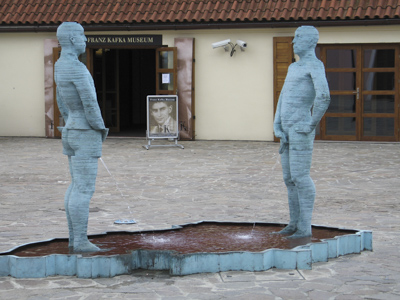
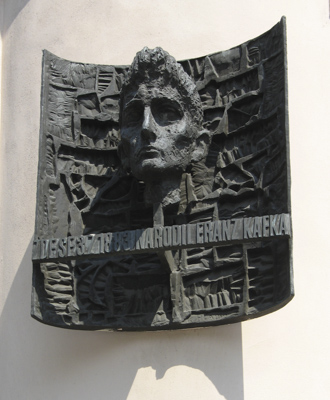
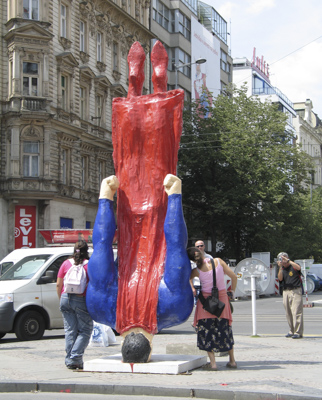
The statue of two male figures was public art created by David Cerny, placed located outside the Franz Kafka Museum:

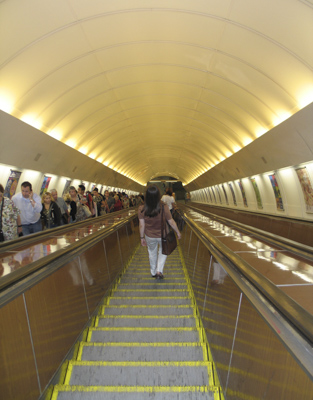
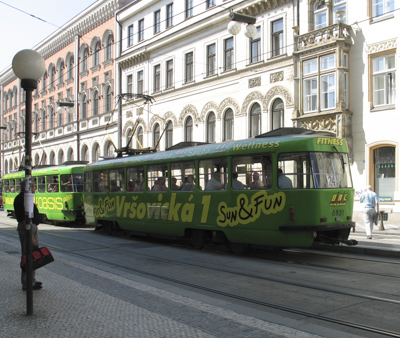
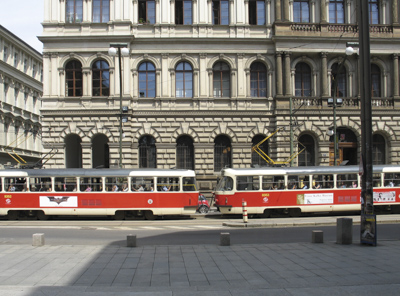
We walked everywhere and rode the modern Metro system and also the efficient trams.

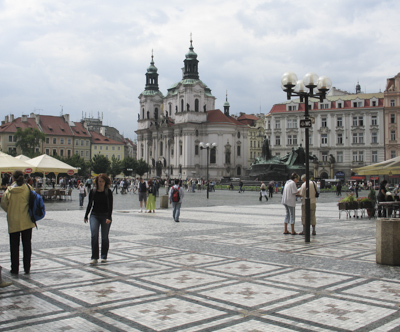
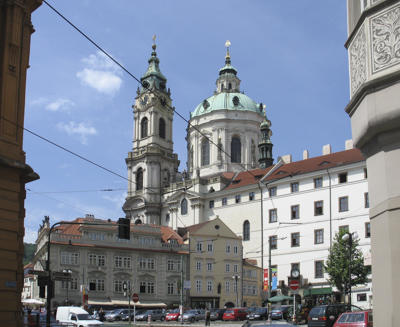
St. Nicholas Church is a prime example of Baroque architecture.
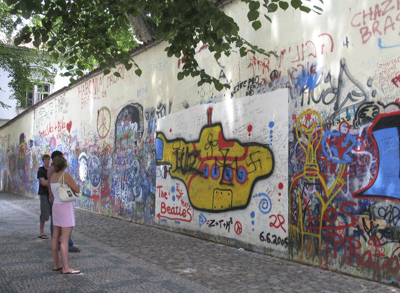
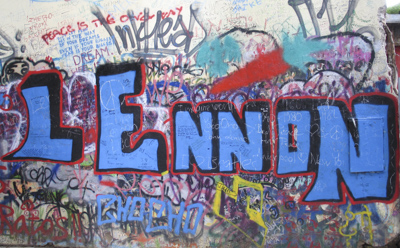
The Lennon Wall was started in 1980 as a tribute to the former Beatle but became a symbol of hope and peace for the local people.
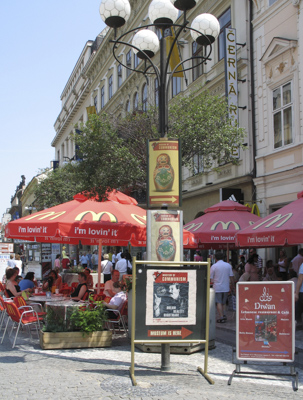
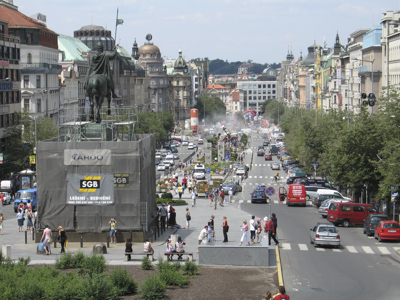
Wenceslas Square is the highlight of Prague’s New Town – Nove Mesto – named after the patron saint of Bohemia.
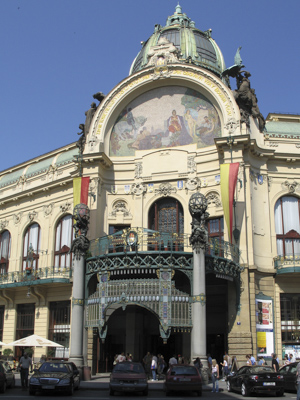
The Municipal House – Obecni dum – is considered one of the finest examples of Art Nouveau in the city:

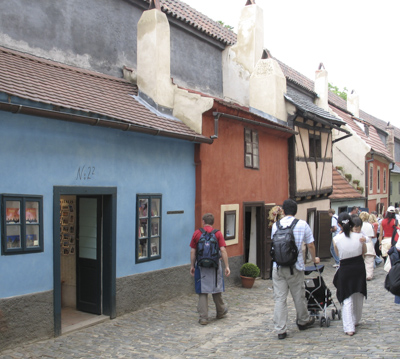
The brightly painted houses of Golden Lane date from the late 1500s and was named for the goldsmiths who once lived there:

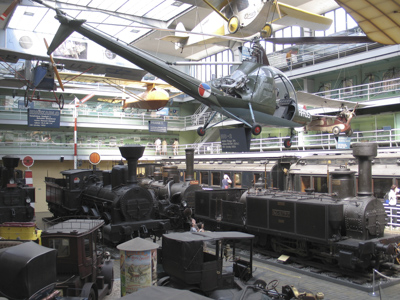
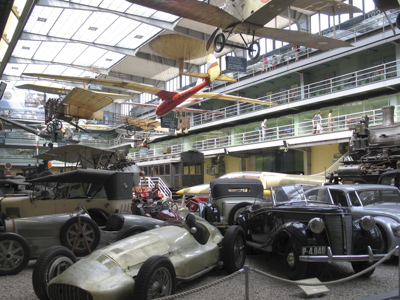
The National Technical Museum, founded in 1908 has exhibits that demonstrate everything from architecture to astronomy:

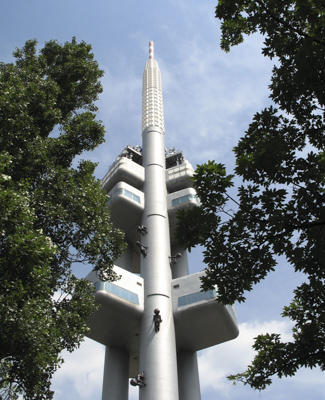
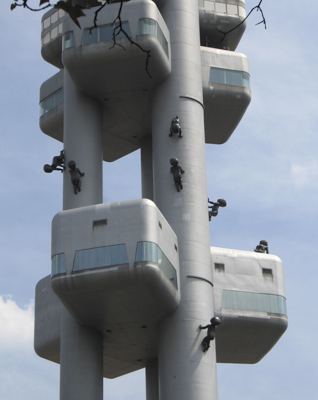
Zizkov Television Tower, just outside the historic center of Prague, is a modern landmark with breathtaking views of the city. Ten fiberglass sculptures by Czech artist David Cerny called Miminka (Babies) adorn the tower:

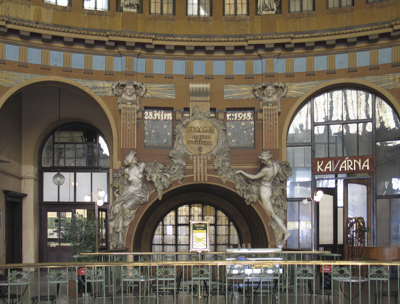
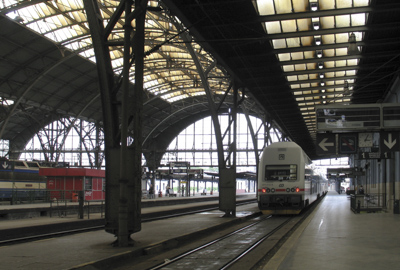
We spent a wonderful week in beautiful historic Prague. Early in the morning on July 16th, we took a train to Budapest, Hungary: