Vienne Outdoor Market & Lunch

May 27th, 2017

May 27, 2017

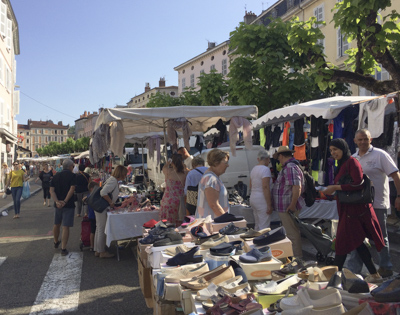
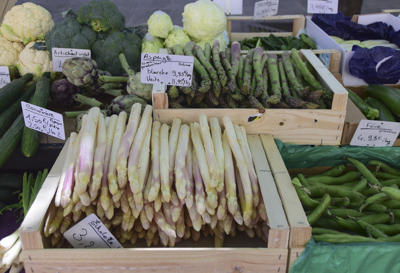
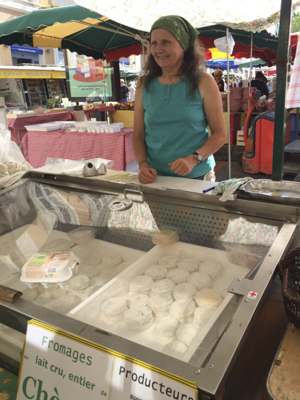
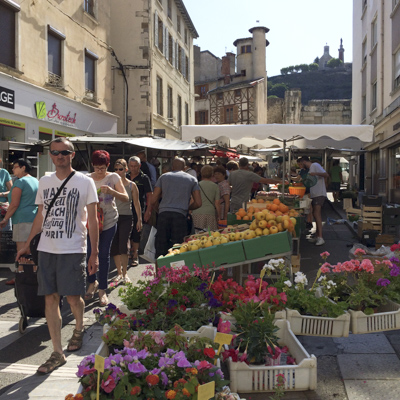
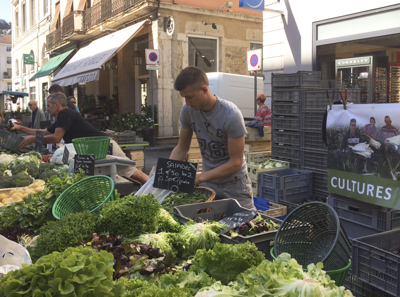
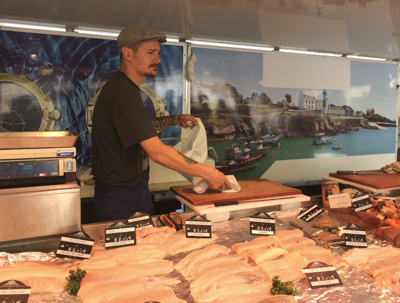
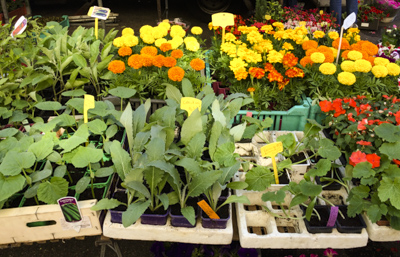
Vienne’s Saturday market takes over the city and sprawls across all the mid-town streets.  I love French outdoor markets because you can buy almost anything you need to live a good French life.

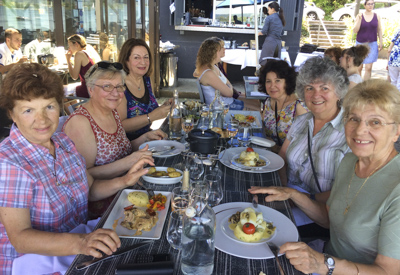
We left the Saturday market and went home briefly to refrigerate our purchases.  It was another hot 92 degree day.  (33 Celsius)  Then we drove to Lyon to have lunch with Claudine’s and Astrig’s friends.

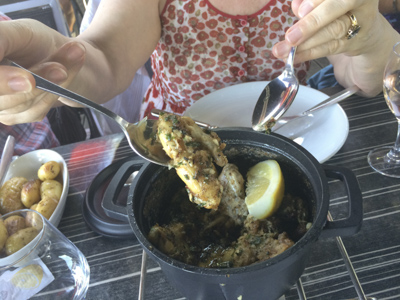
The restaurant, Au Bord du l’Eau, was located on the shore of a picturesque lake.  We had a scrumptious feast on le terrasse.  I had fresh smoked salmon appetizer and fish with potatoes and seasonal veggies.  Below is a photo of la grenouille – frog’s legs fresh from the Lyonnaise region.

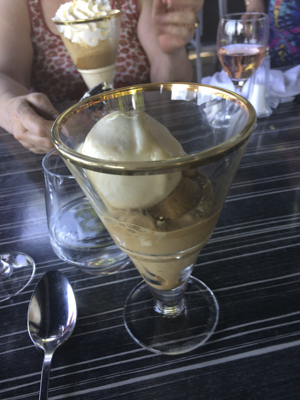
And, of course, dessert:

Exploring Vienne, France

May 26th, 2017

May 26, 2017

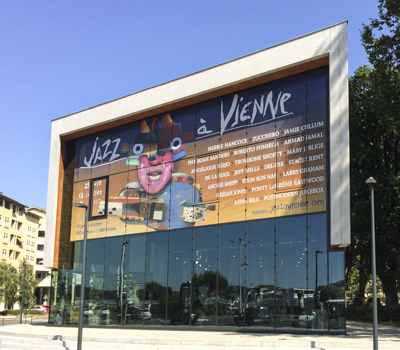
Vienne is an incredible city which is full of ancient historical statues, buildings, and artifacts dating back to Roman times.  The city is also famous for the Jazz a Vienne festival held every July.     

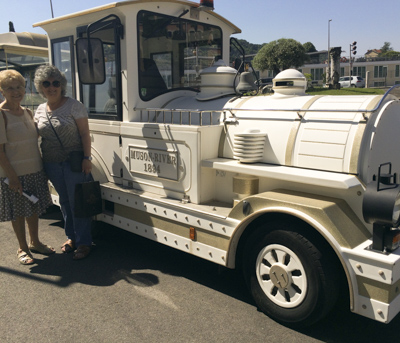
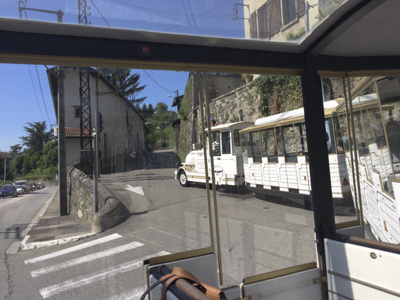
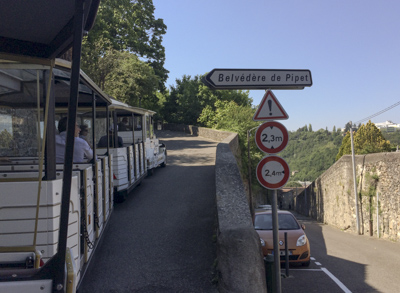
Today, we rode the tourist train all around Vienne to see the most important sights in the city.  We had a very enjoyable time!

It was a lot of fun and a great way to see the city!!!

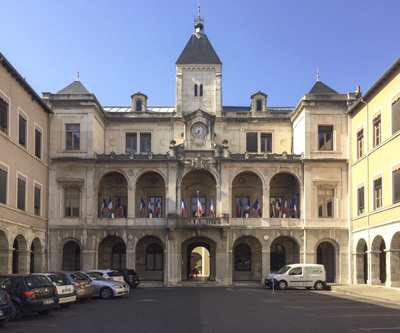
Historic sights in Vienne:  the Hotel de Ville – city hall

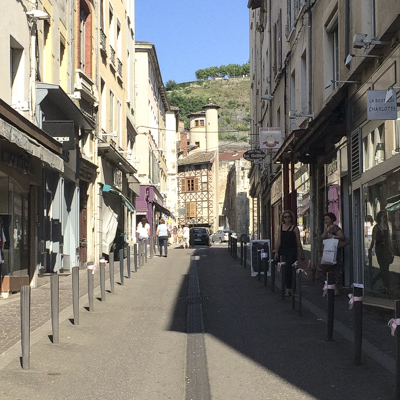
Narrow shopping streets:

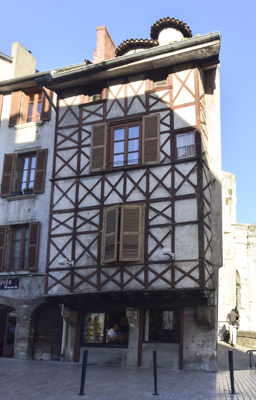
A Middle Ages half-timbered house:

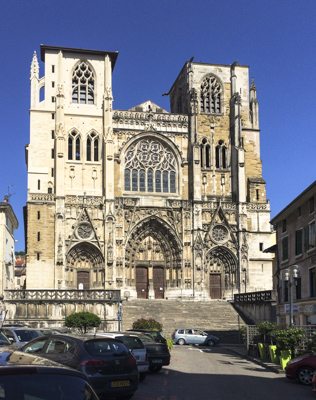
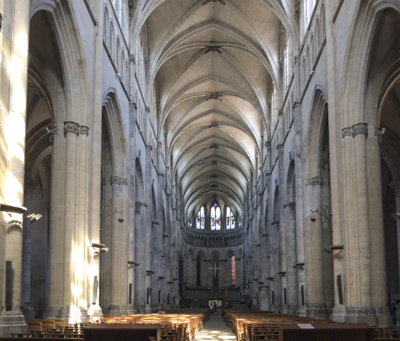
Saint Maurice Cathedral – a Gothic cathedral built between 1052 – 1533

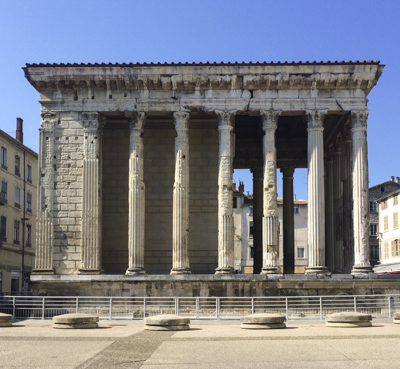
Roman Temple d’Auguste et de Livie:  (Imagine a real Roman Temple in the middle of your town!!  Amazing!!)

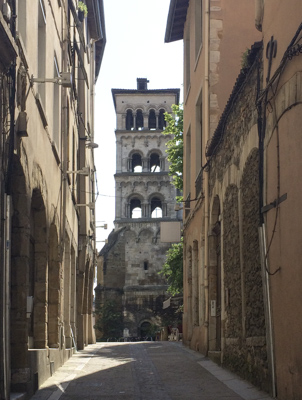
At the end of a narrow street was the Medieval church and Benedictine monastery of St. Andre en Bas which was rebuilt in 1152.

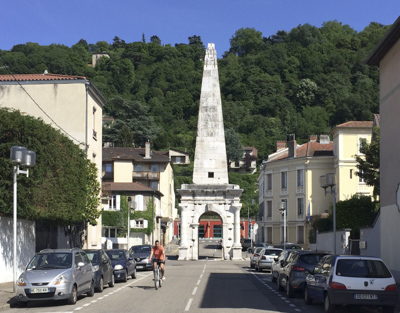
The Roman Plan de l’Aiguille or Pyramide which was associated with the city’s Roman circus:

Lyon, France

May 25th, 2017

May 25, 2017

Lyon, the third largest city in France, is located about 30 kilometers north along the Rhone River from my cousins Claudine and Astrig’s house.  Initially developed by the Romans in 43 BC, several sections of Lyon are designated UNESCO World Heritage Sites because of “exceptional continuity of urban settlement over more than two millennia on a site of great commercial and strategic significance.”
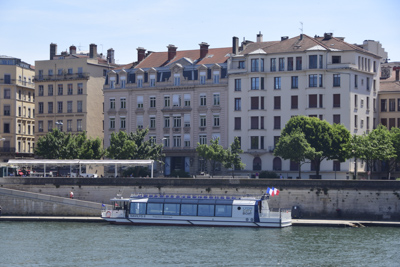
Lyon is a beautiful city whose architecture reminds me of Paris.  Both the Rhone and the Saone Rivers meander through Lyon and converge to the south of the historic city center.
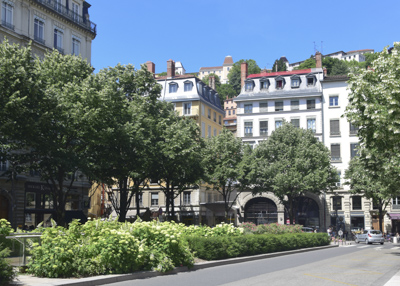
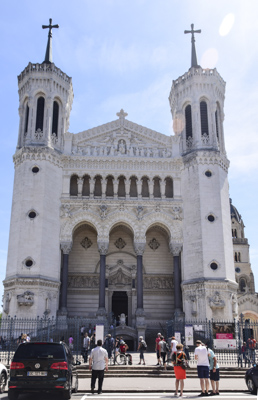
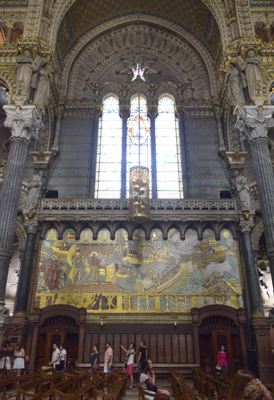
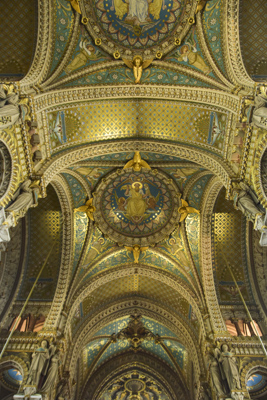
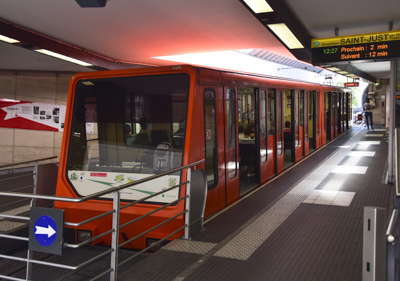
Astrig, Claudine, and I took the funicular up the steep hill to visit the magnificent basilica of Notre-Dame de Fourviere.  It was a fun ride!
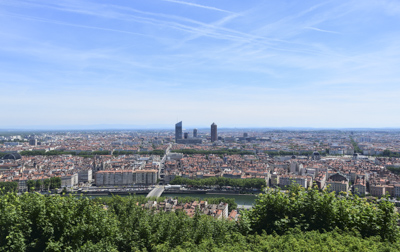
The view of Lyon from the top of Fourviere hill was amazing.  There is also a Roman amphitheater near the basilica but smaller than the one in Vienne.
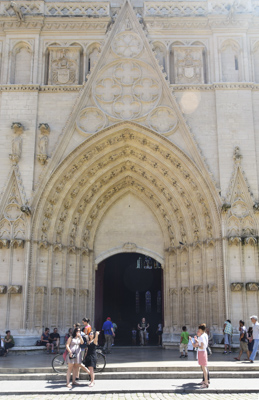
We rode the funicular back down to Vieux Lyon, the old city, and entered the Cathedrale Saint-Jean-Baptiste de Lyon.  Construction began in the 12th century on ruins of a 6th century church.
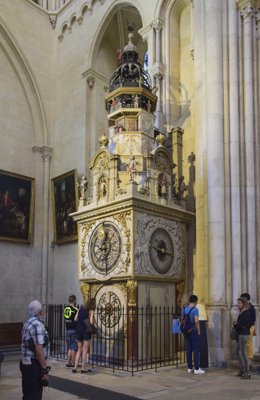
Inside the Gothic cathedral was a huge astronomical clock, originally from 1383, and was rebuilt in 1661.  The clock has automated figures which move at various times of the day.
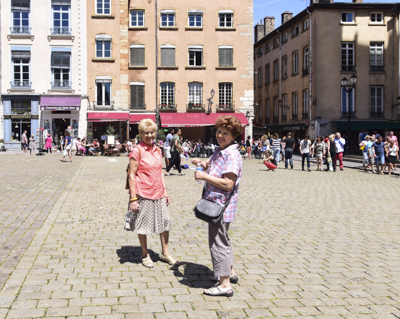
Vieux Lyon is protected by the French government as an historically and culturally significant district.  During the middle ages, silk weavers who had settled in Lyon, built corridors to connect buildings, courtyards, and narrow streets in order to easily walk through the city.  Many of these traboules still exist and they’re interesting to see and explore.
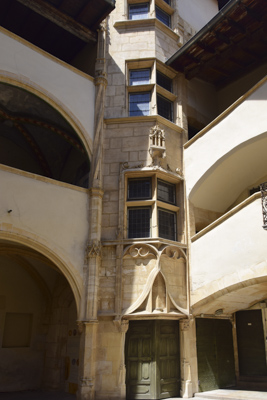
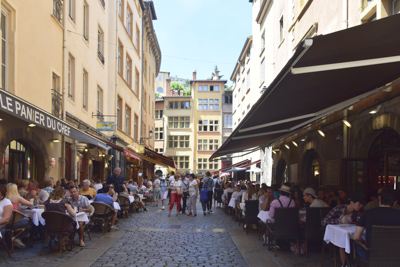
On this very hot 90-degree day, there were many tourists wandering the lovely ancient streets of Lyon and enjoying the shade of cafes.
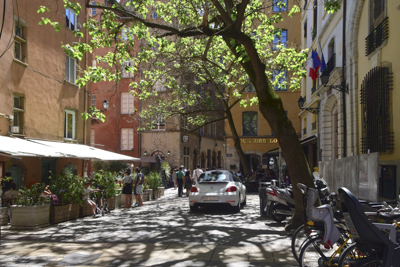
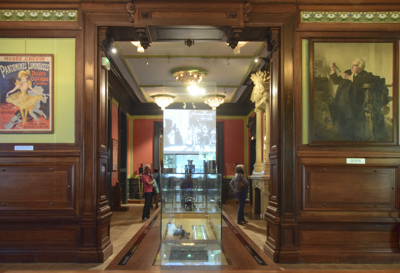
We also visited Auguste and Louis Lumiere’s beautiful house which is preserved as part of the Institut Lumiere.  
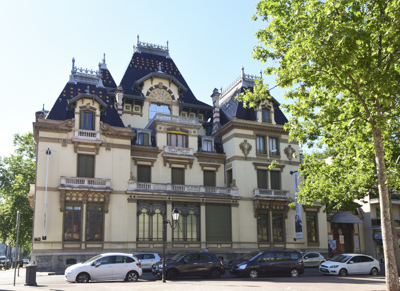
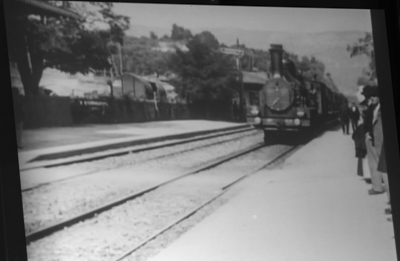
The brothers were the first filmmakers in history.  They patented a cinematographe and had their first private screening of projected motion pictures in 1895.
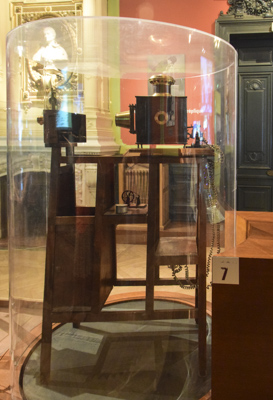
The Lumiere Brothers’ first 50-second silent film taken with their Cinematographe, was L’arrivée d’un train en gare de La Ciotat, the train arriving at the La Ciotat station.
The Institut Lumiere was a very interesting museum which described and exhibited the history of films, movies, and cameras.  Highly recommended!  There was also a theater on site which shows current movies.

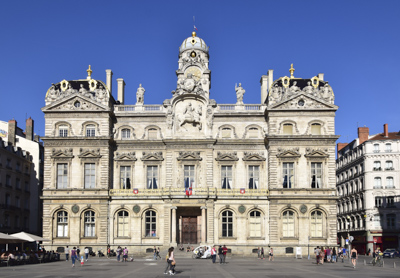
On the way back to Chasse-sur-Rhone, we passed the historic building of le hotel de ville, the city hall of Lyon:
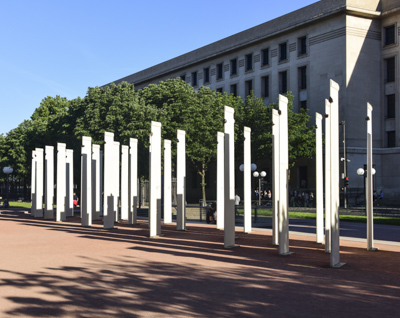
We also stopped at the memorial in Lyon to honor the “1.5 million Armenians who were exterminated as victims of the first genocide of the 20th century by the “Young Turk” government: 1915 – 1916.”  “In the memory of the victims of all genocides and crimes against humanity.”
 

Vienne, France

May 24th, 2017

May 24, 2017

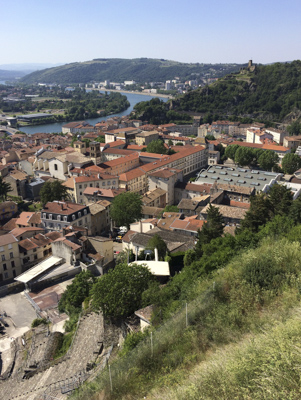
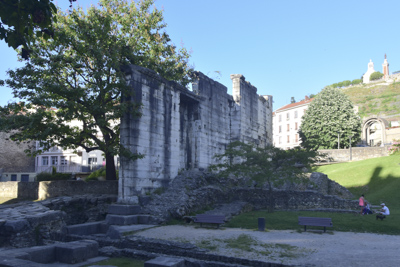
Vienne is the Gallo-Roman city located about six miles south of Chasse-sur Rhone.  It’s a wonderful small city located on the Rhone river, full of Roman ruins and artifacts of historical interest. During the week, I visited Vienne several times with Claudine and Astrig.

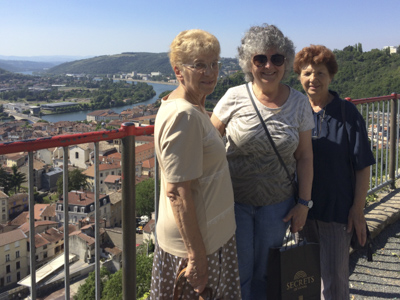
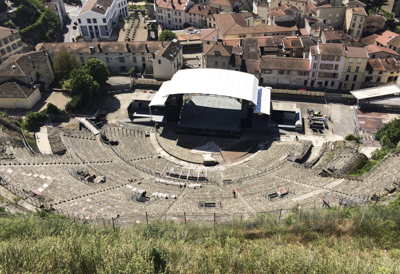
We climbed up le Mont Pipet to see the fantastic views of Vienne and to look down at the Roman amphitheater below.  

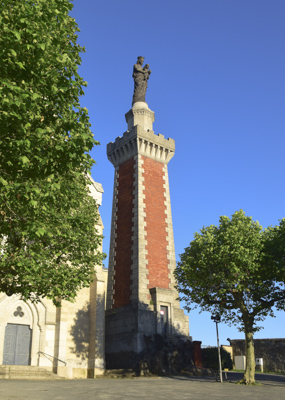
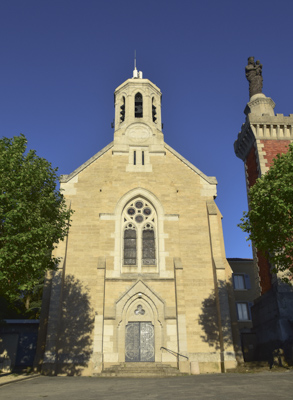
On the summit of the hill is the lovely Chapelle de Notre-Dame de Pipet and its adjoining tower with a large statue of the Virgin Mary.  

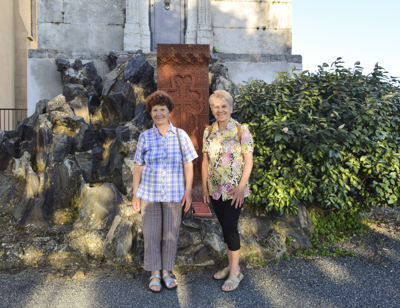
Recently, the Armenian community of Vienne installed a khachchar, which means a ‘cross of stone,’ in front of the tower.  This is an intricately carved stone memorial symbolizing the spirit of the Armenian people.

Chasse sur Rhone, France

May 23rd, 2017

May 23, 2017

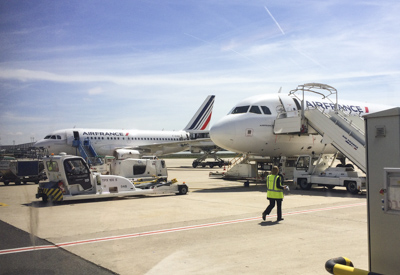
I just returned from a wonderful week visiting my cousins in Chasse sur Rhone, France.   I flew out of JFK on May 22nd and arrived in Paris the next morning.  Charles de Gaulle Airport is HUGE and I followed signs, correspondences de vols, to successfully find the connecting flight to Lyon.  An hour later, I landed at Antoine de Saint-Exupery Airport.  I thought it was very appropriate that the airport was named after the pilot and author of Le Petit Prince who was born in Lyon in 1900.  

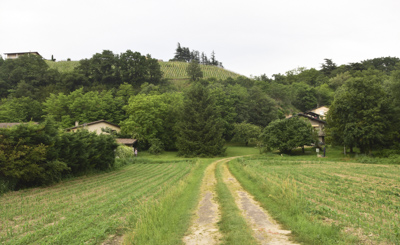
My cousins, Claudine and Astrig happily greeted me at the airport and we drove to their house in Chasse sur Rhone.  Chasse is a small village, located 30 kilometers south of Lyon.  “Chasse” takes its name from the abundance of game in the forested hills which were used as hunting grounds for centuries by French nobility.   Now the hills above my cousins’ house have been cleared to grow grapes to make the famous French wine of the region.
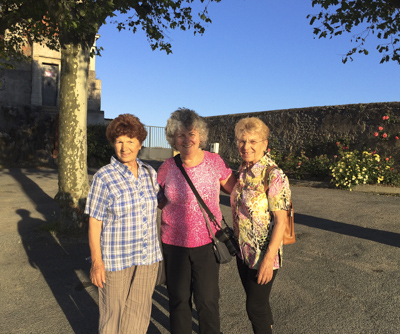
Claudine and Astrig are my age and I’ve corresponded with them since we were young.  We exchanged transatlantic letters in the “old days” but now communicate via email.  Their father was my grandmother’s brother; siblings whose parents were killed and the children separated after the 1915 Turkish genocide of 1.5 million Armenians.  I feel like I’m one of their sisters when we’re together.  We laugh, have fun, catch up on family gossip, and enjoy each other’s company, communicating in a melange of French, English and Armenian.

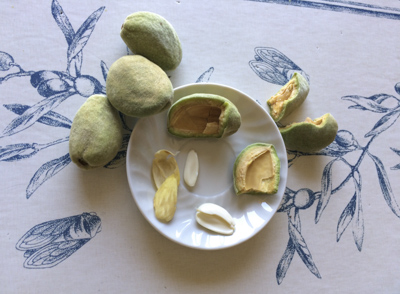
One afternoon we stopped by to see their brother, Jo Jo, at his home in a nearby village, St-Genis-Laval.  Below is a photo of fresh almonds from Claudine and Astrig’s tree.  They will be ripe and ready to eat in September

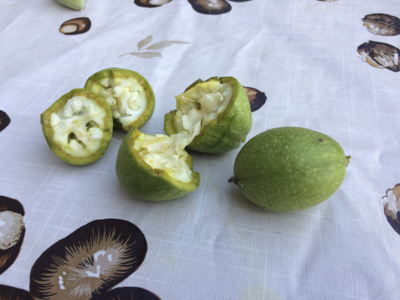
Fresh walnuts also from a huge tree on the property.

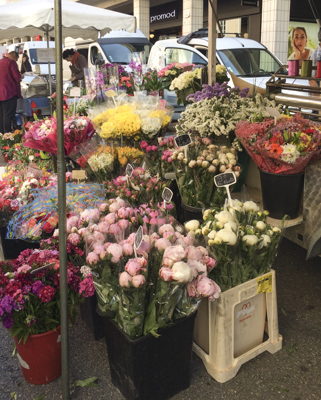
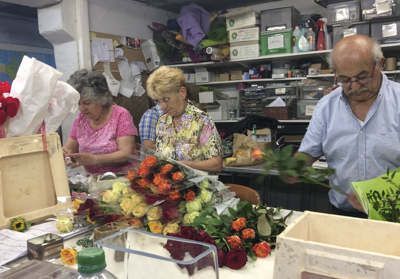
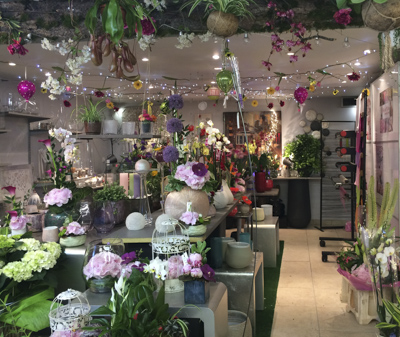
We also visited a cousin who ran a flower shop out of their home.  We all pitched in to make bouquets for the French Mother’s Day on Sunday, May 28th.  The family sells flowers in several outdoor markets in Lyon and Vienne.

The last time I saw Claudine and Astrig was in 2010 when we went to Anatolia, eastern Turkey, together to visit the Armenian villages of our parents and grandparents.  Before that, my cousins visited us in New York in 2000.  The time between our visits was too long and overdue.  Now, it was fantastic to see my wonderful cousins again!